
Human cytomegalovirus (HCMV) infection is a pervasive phenomenon affecting up to 80% of the global population. While often asymptomatic in healthy individuals, HCMV poses significant risks to vulnerable populations such as neonates and immunocompromised individuals. This virus establishes a lifelong latent infection, periodically reactivating and potentially causing severe complications. The intricate dance between HCMV and host cells is a hotbed of research, shedding light on how the virus manipulates human cellular machinery for its own replication and spread.
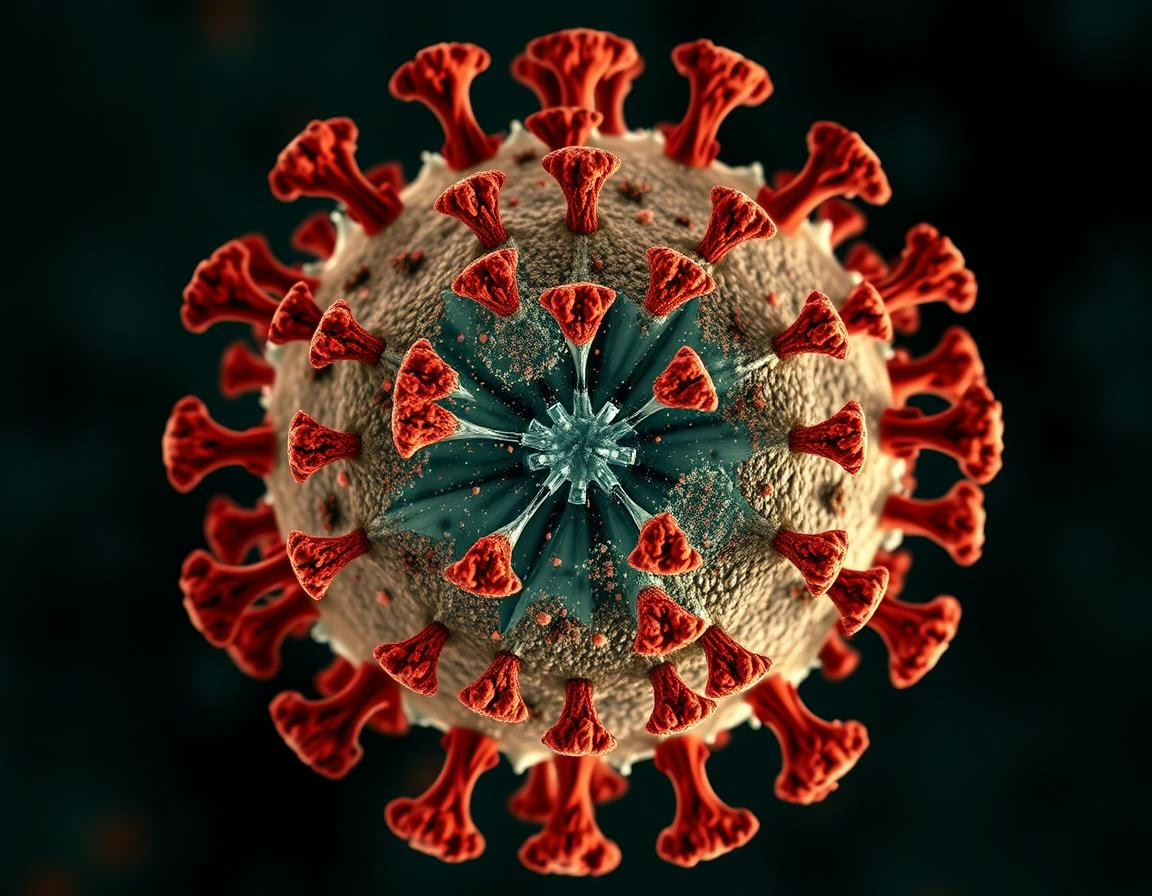
A recent study delves into the impact of HCMV infection on human chromatin organization, revealing widespread alterations in chromatin accessibility and looping patterns. Notably, the virus disrupts the activity of the TEAD1 transcription factor, a crucial player in regulating gene expression and developmental pathways. By dissecting the mechanisms through which HCMV dampens TEAD1 activity, researchers uncovered a multi-faceted approach employed by the virus to subvert host gene regulation.
Deciphering the Impact of HCMV on Gene Regulation
- HCMV infection leads to extensive changes in chromatin accessibility and looping interactions, affecting hundreds of thousands of genomic regions.
- The Hippo signaling pathway, controlled by TEAD1, is significantly perturbed by HCMV, highlighting the virus’s ability to manipulate critical developmental pathways.
- Alterations in TEAD1 activity are driven by a combination of factors, including reduced TEAD1 binding, YAP1 levels, TEAD1 transcript, and protein levels, and altered TEAD1 exon 6 usage.
Unveiling Mechanisms of TEAD1 Regulation by HCMV
- By excluding TEAD1 exon 6 and decreasing TEAD1 gene and protein levels, HCMV disrupts the activity of this essential transcription factor.
- The virus also impacts the phosphorylation status of YAP1, further contributing to the diminishment of TEAD1 function.
- Alterations in chromatin accessibility and TEAD1 binding coincide with changes in gene expression, particularly within key developmental pathways like Hippo signaling.
Implications for Developmental Disorders
- HCMV-induced TEAD1-binding loss is linked to genetic variants associated with ear and eye developmental defects, shedding light on the virus’s role in these conditions.
- The study provides crucial insights into the molecular mechanisms underpinning HCMV-induced growth defects, particularly in hearing and eyesight development.
In conclusion, this research underscores the sophisticated strategies employed by HCMV to rewire human gene regulation and disrupt vital developmental pathways. By unraveling the intricate interplay between the virus and host cellular machinery, scientists move closer to understanding the molecular basis of HCMV-associated developmental disorders, paving the way for potential therapeutic interventions in the future.



