
The skin, our body’s largest organ, is home to a vast array of microorganisms that play a crucial role in maintaining its health and vitality. Colonized by bacteria, fungi, viruses, and even mites, the skin forms a complex ecosystem that interacts with our immune system and responds to environmental factors. Understanding this intricate world of the skin microbiome is essential for shedding light on skin disorders and developing innovative therapeutic approaches.
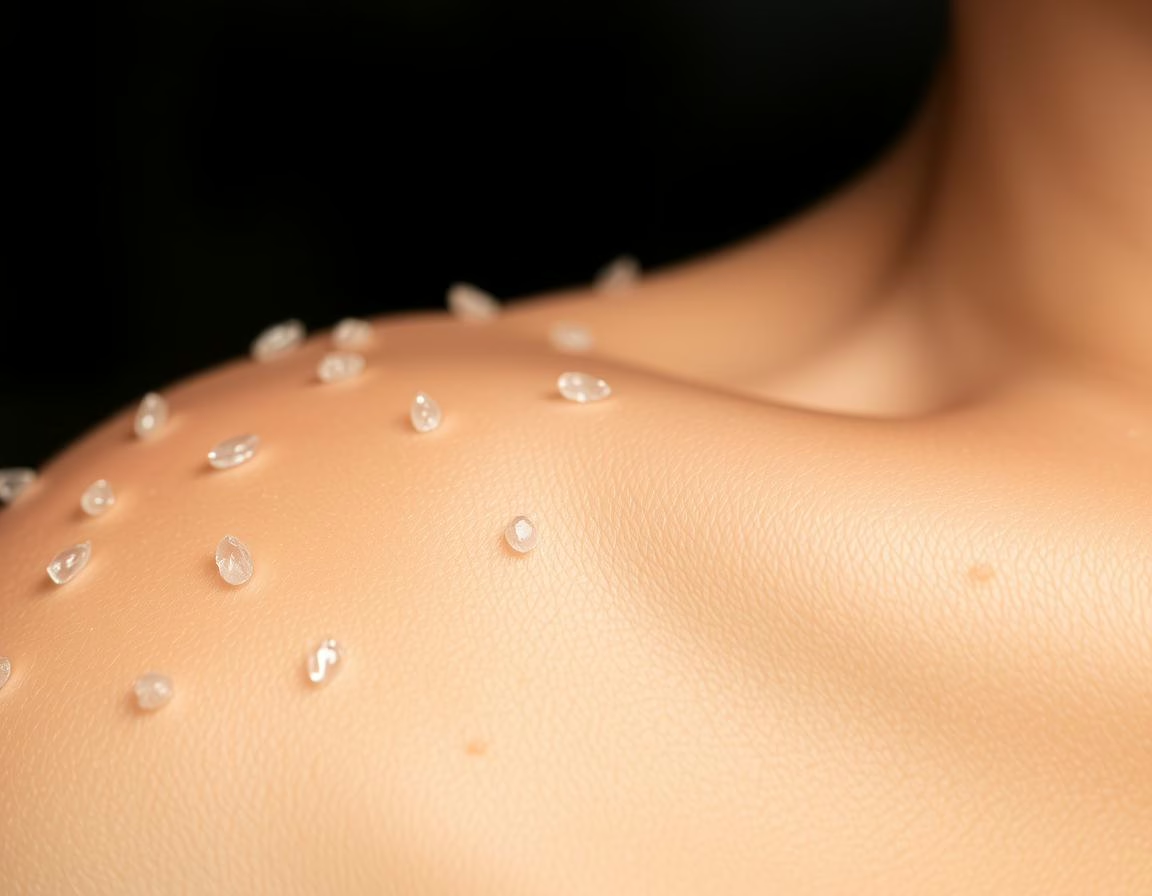
The Skin Microbiome: A Diverse Landscape
The skin microbiome is not just a random collection of microorganisms; it is a structured ecosystem that adapts to different habitats on the body. From the folds and invaginations to specialized niches, each area of the skin provides a unique environment for microorganisms to thrive. While some of these microbes are harmless and even beneficial, others serve as protectors against more harmful pathogens.
- The Role of Different Microorganisms: Bacteria, Fungi, and Mites
- Understanding the Skin Ecosystem: A Closer Look at Skin Appendages
- Unveiling the Intricate Histology of the Skin Microbiome
Factors Influencing the Skin Microbiome
Various factors, both internal and external, influence the composition and diversity of the skin microbiome. From skin thickness and moisture levels to genetic variations and environmental exposures, these elements shape the delicate balance between our skin and its microbial inhabitants.
- The Impact of Age, Location, and Gender on Skin Microbiota
- External Factors: Occupation, Clothing, and Hygiene Practices
- The Influence of Antibiotics and Cosmetic Products on Skin Microbiome
Advancements in Skin Microbiome Research
Traditionally, studying the skin microbiome relied heavily on culture-based methods, which provided limited insights into its true diversity. However, with the advent of molecular techniques like metagenomic sequencing, scientists have unveiled a rich tapestry of microorganisms inhabiting our skin.
- Genomic Approaches: Revealing the Diversity of Skin Bacteria
- Challenges and Opportunities in Skin Metagenomic Analysis
- Exploring Eukaryotic Species on the Skin: Fungal and Arthropod Colonizers
Interplay Between the Skin Microbiome and Immune System
Our skin not only serves as a physical barrier but also houses a complex immune system that interacts with the microbiome. Keratinocytes, AMPs, and cytokines play pivotal roles in maintaining a delicate balance between commensal microbes and potential pathogens.
- The Immune Response: From PRRs to Antimicrobial Peptides
- Modulation of Innate Immunity by Commensal Microorganisms
- Dysregulation of the Skin Immune Response in Skin Disorders
Skin Disorders and the Microbial Connection
Many common skin disorders are believed to have microbial components contributing to their development and progression. Understanding the interplay between specific microorganisms and skin conditions can pave the way for targeted treatments and improved management strategies.
- Seborrhoeic Dermatitis: Unraveling the Fungal Link
- Psoriasis and Atopic Dermatitis: Immune Dysregulation and Microbial Influence
- Exploring the Microbial Landscape of Skin Disorders: From Correlations to Causation
Conclusion: Navigating the Intricacies of the Skin Microbiome
The skin microbiome represents a fascinating and dynamic ecosystem that influences our skin health and overall well-being. By delving deeper into its complexities and unraveling the interactions between microbes, immune cells, and environmental factors, we can unlock new avenues for therapeutic interventions and personalized skincare approaches.
Key Takeaways:
- The skin microbiome is a diverse ecosystem of microorganisms that interact with our immune system and environmental factors.
- Factors such as age, gender, and external influences shape the composition of the skin microbiome.
- Advanced genomic techniques have revolutionized our understanding of the skin microbiome, revealing its true diversity and complexity.
- The interplay between the skin microbiome and immune system is crucial for maintaining skin health and balance.
- Exploring the microbial connections in skin disorders can lead to targeted treatments and improved management strategies.
- Further research into the skin microbiome holds promising opportunities for personalized skincare and therapeutic interventions.
Tags: secretion, fungi, microbiome
Read more on pmc.ncbi.nlm.nih.gov



