
Understanding the intricate dynamics of lipid nanoparticles (LNPs) in interacting with endosomal membranes is crucial for enhancing mRNA delivery efficiency. LNPs have shown promise in delivering mRNA therapeutics, but challenges persist in ensuring effective endosomal escape for optimal therapeutic outcomes. Recent studies have delved into the pH-dependent binding kinetics of LNPs to endosomal model membranes, shedding light on factors such as protein corona formation and lipoprotein influence. By utilizing advanced microscopy techniques, researchers have uncovered the complexities of LNP behavior at the cellular level, offering valuable insights for improving drug delivery strategies.
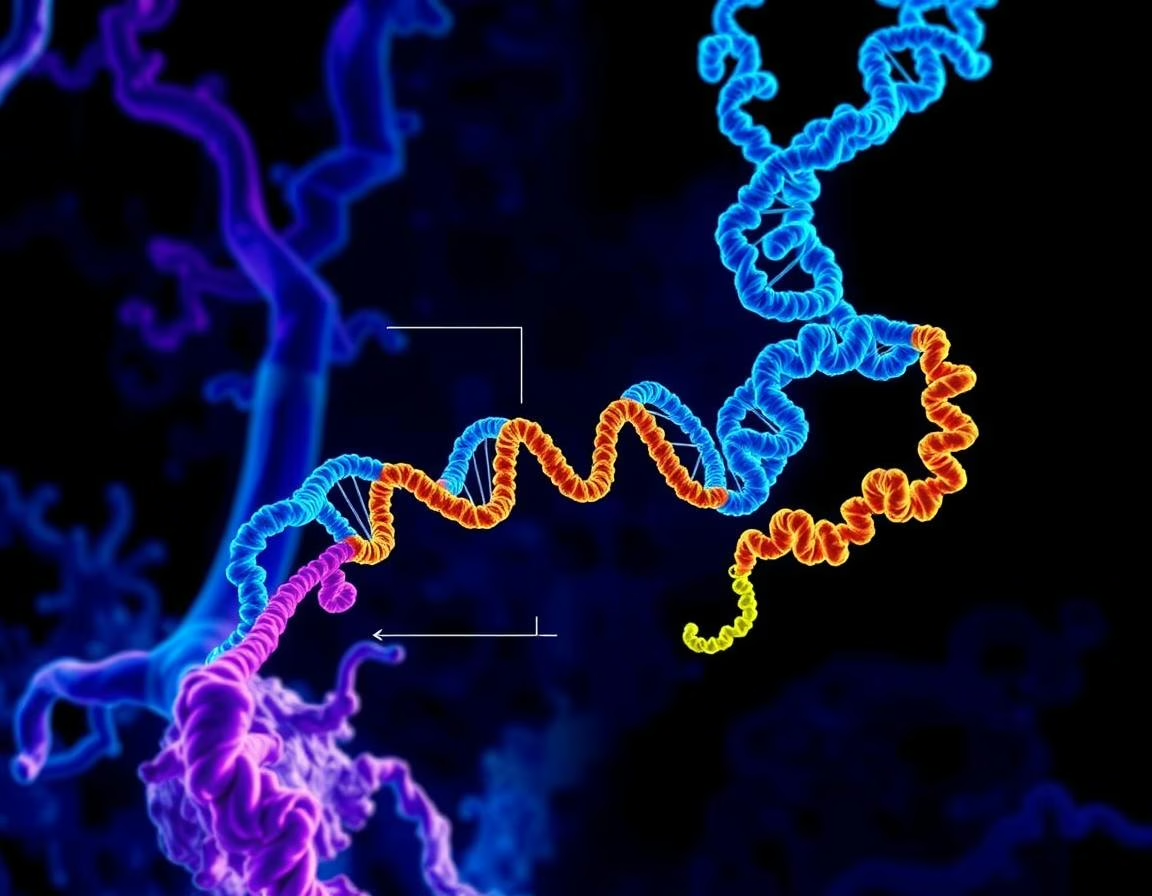
pH Dependency and LNP Binding Kinetics
LNPs containing ionizable lipids exhibit a pH-dependent binding pattern to anionic model membranes, with enhanced binding observed at lower pH levels. The formation of multivalent bonds during LNP attachment plays a critical role in the interaction with the endosomal membrane. Protein corona formation on LNPs has been shown to influence the onset of binding and subsequent disintegration, underscoring the role of surface modifications in mediating LNP interactions. Lipoprotein depletion from serum has been linked to increased mRNA-controlled protein production, highlighting the impact of environmental factors on LNP efficacy.
Endosomal Escape Mechanisms
The process of endosomal escape, a key step in mRNA delivery, remains a challenge with current LNP formulations. Studies have revealed that LNPs undergo structural changes upon interaction with endosomal membranes, potentially leading to membrane destabilization and mRNA release into the cytoplasm. Understanding the mechanisms behind endosomal escape is crucial for enhancing therapeutic outcomes and overcoming barriers to effective drug delivery.
Protein Corona Influence
The formation of a protein corona on LNPs has been shown to impact their interactions with endosomal membranes. Protein corona composition, particularly the presence of lipoproteins, influences the binding kinetics and efficiency of LNPs to the membrane mimic. Depletion of lipoproteins from the preincubation serum alters the pH-induced binding behavior of LNPs, suggesting a complex interplay between surface modifications and membrane interactions. These findings underscore the importance of considering the protein corona effect in designing effective drug delivery systems.
Single LNP Resolution Studies
Advanced microscopy techniques, such as time-lapse imaging with single LNP resolution, have provided detailed insights into the binding dynamics of LNPs to endosomal model membranes. Observations of LNP collapse and aggregation upon interaction with the membrane mimic highlight the structural changes that occur during the binding process. The role of lipoproteins in modulating LNP behavior and endosomal escape efficiency has been elucidated through biophysical studies, offering valuable information for optimizing drug delivery strategies.
Cellular Uptake and Protein Translation
Experiments involving LNP exposure to hepatic cells have demonstrated the impact of lipoprotein content on cellular uptake and protein translation. Lipoprotein-depleted serum conditions have been associated with enhanced protein expression, indicating a potential role in promoting endosomal escape efficiency. The balance between LNP uptake mechanisms and endosomal escape pathways influences the overall therapeutic efficacy of mRNA delivery systems, emphasizing the importance of understanding cellular interactions at a molecular level.
Key Takeaways:
– pH-dependent binding kinetics play a crucial role in LNP interactions with endosomal membranes.
– Protein corona formation influences the efficacy of LNPs in mediating mRNA delivery and endosomal escape.
– Lipoprotein content in serum affects LNP behavior and cellular uptake efficiency.
– Advanced microscopy techniques offer valuable insights into the biophysical mechanisms of LNP-membrane interactions.
– Optimizing surface modifications and understanding endosomal escape mechanisms are essential for enhancing drug delivery strategies.
In conclusion, the intricate interplay between LNPs, protein coronas, and endosomal membranes presents both challenges and opportunities in the field of drug delivery. By unraveling the molecular dynamics of these interactions, researchers can pave the way for more effective and targeted therapeutic interventions. Continued exploration of LNP behavior at the cellular level holds the key to unlocking the full potential of mRNA-based therapeutics in clinical applications.
Tags: formulation, cell culture, lipid nanoparticles
Read more on pmc.ncbi.nlm.nih.gov



