
In recent years, the intersection of artificial intelligence and synthetic biology has opened new frontiers in our understanding of life’s building blocks. A groundbreaking open-science initiative aims to harness the power of AI and extensive experimental data in a cycle of continuous learning to create novel proteins, enzymes, and cellular structures.
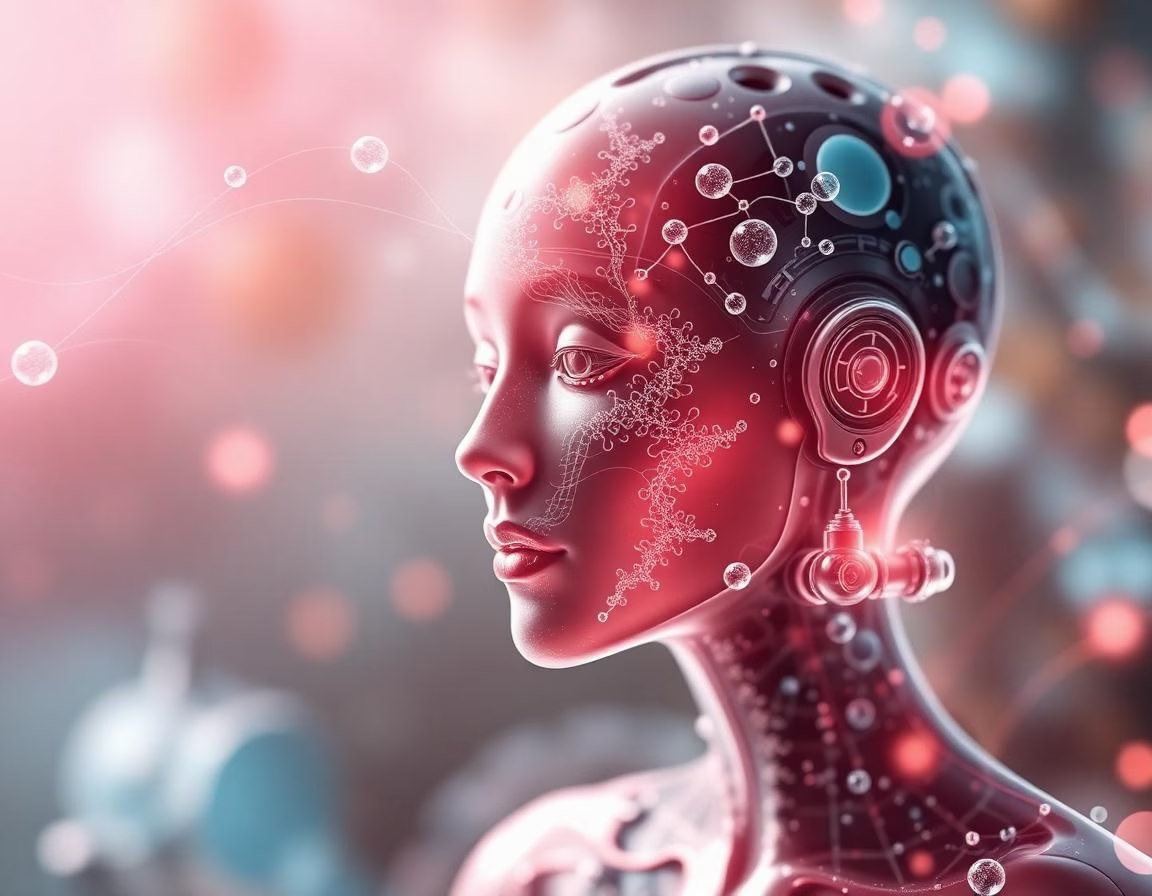
Innovative Approaches to AI in Biology
This initiative presents a unique yet complementary method for integrating AI into biological research. By leveraging advanced algorithms and machine learning techniques, researchers can analyze vast datasets to identify patterns and relationships that were previously obscured. This approach enables scientists to devise innovative solutions for complex biological challenges.
Enhancing Protein Structural Data
One of the remarkable advancements in this field is the development of ultrafast sample spinning technology. This technique significantly enhances the accuracy of protein structural data, yielding improvements that can be described as dizzying. By refining our understanding of protein structures, researchers can engineer more effective therapeutic agents.
Targeting Cancer with Precision
Among the most exciting applications of this technology is the engineering of a bacterial nanoplatform designed to target the spleen. This platform has the potential to reprogram immune cells, providing a promising strategy for preventing cancer recurrence. By focusing on specific anatomical targets, this approach may lead to more effective treatments with fewer side effects.
Advancements in DNA Imaging
A novel imaging technique involving self-blinking ‘fairy lights’ allows scientists to visualize DNA at an unprecedented resolution, nearly double that of traditional methods. This advancement holds significant implications for genetic research, as it enables researchers to observe the intricate details of DNA structures and interactions.
Revolutionizing Single-Cell Analysis
The emergence of a Google-like search engine for single-cell RNA analysis represents another leap forward. This tool will facilitate the exploration of cellular diversity and functionalities, enabling researchers to uncover new insights into cellular behavior and the underlying mechanisms of diseases.
Reversing Abnormal Cell States
A recent breakthrough indicates the potential to reverse abnormal cell states associated with aging and cancer. By targeting the underlying mechanisms that lead to these states, researchers may develop strategies to restore normal cellular function, offering hope for innovative therapeutic approaches.
Assembling Proteins with Precision
Synthetic molecular connectors are being developed to assemble proteins into precise three-dimensional structures. This capability will enhance the design of biomolecules for specific functions, paving the way for tailored therapeutic interventions.
Enhancing Microbial Production
Research has shown that simple dietary changes can significantly improve the quality of biomaterials produced by microbes. This finding suggests that optimizing microbial diets could lead to more efficient production processes in biomanufacturing.
Measuring Biomolecular Properties
Acoustic tweezers have been introduced as a non-contact method for measuring the stiffness of biomolecular droplets. This innovative approach allows researchers to gather crucial data on biomolecular interactions without the risk of contamination or alteration.
Understanding Material Adhesion
A recent discovery has unveiled a new mechanism behind the adhesion of soft materials. Understanding how these materials interact could lead to advancements in various fields, including tissue engineering and regenerative medicine.
Exploring Human Microsomes
Human microsomes have emerged as a valuable model system for researching various biological processes. These structures, derived from human cells, provide insights into drug metabolism and the interaction of compounds with cellular components.
Engineering Self-Healing Hydrogels
Advancements in materials science have led to the creation of self-healing hydrogels with electrical polarization capabilities. These hydrogels could have applications in medical devices, enabling them to respond dynamically to their environments.
Creating Targeted Therapeutics
Researchers are now utilizing AI to engineer viruses that specifically infect and eradicate bacteria. This approach represents a novel strategy in combating antibiotic-resistant infections, providing a potential pathway to more effective treatments.
Transforming Lettuce into Protein Factories
In a fascinating twist, scientists have successfully modified lettuce plants to produce a key protein found in meat. This bioengineering breakthrough could revolutionize food production and contribute to sustainable agriculture.
Improving Mitochondrial Delivery
New methodologies are being developed to enhance the delivery of mitochondria into living cells. Effective mitochondrial transfer could have profound implications for treating various diseases, particularly those related to energy metabolism.
Refining AI-Designed Gene Editors
Human engineering has been employed to address flaws in AI-designed gene editors. By refining these tools, researchers are improving their accuracy and efficacy, opening new avenues for genetic modifications.
Sustainable Protein Production
A solar-powered process has been introduced to convert carbon dioxide into protein building blocks. This innovative approach represents a step toward sustainable practices in protein production, addressing global food security challenges.
Predicting DNA Activity
An AI-based tool has been developed to predict the activity of DNA sequences. This capability will streamline the design of genetic constructs, facilitating advances in gene therapy and synthetic biology.
Expanding Bacterial Spore Applications
The expanding uses of bioengineered bacterial spores are paving the way for innovative applications in various industries, including agriculture and medicine. Their versatility makes them a promising area of research.
Growing Artificial Blood Vessels
Researchers have recently identified a precise methodology for cultivating artificial blood vessels. This advancement could play a crucial role in regenerative medicine and surgical applications.
Transforming Immune Cells
Innovative techniques are enabling the transformation of immune cells into nanoparticles capable of combating fungal infections. This groundbreaking approach could lead to more effective treatments for various infections.
Smart RNA Design with AI
AI and Ising machines are being utilized to optimize RNA design processes. These technologies enhance the efficiency and accuracy of synthetic biology applications, contributing to advancements in gene regulation.
Advancements in CRISPR Technology
A new CRISPR method has emerged that allows for precise control over protein production within cells. This improvement will enable more refined genetic manipulations and therapeutic designs.
Uncovering Cellular Secrets
The ability to decode the secrets of individual cells at a molecular level is revolutionizing our understanding of biology. This meticulous approach allows researchers to explore the nuances of cellular behavior, leading to groundbreaking discoveries.
Bridging Bioelectronics and Medical Devices
3D-printed hydrogel bioelectronics are creating new possibilities for integrating soft tissue with medical devices. This innovation can enhance the functionality of implants and other medical technologies.
Targeting Bone Cancer
A novel biomaterial designed for bone grafting has shown promise in selectively targeting and destroying bone cancer cells and bacteria. This tailored approach could improve treatment outcomes for patients suffering from these conditions.
The Impact of mRNA Vaccines
The global deployment of billions of doses of mRNA vaccines has confirmed their safety and effectiveness. This success story underscores the potential of mRNA technology in combating infectious diseases.
Teaching Cells to Compute
Scientists have made strides in teaching human cells to perform computational tasks. This groundbreaking research could lead to advances in cellular programming and bio-computing.
Capturing Protein Motion
Experiment-guided AI tools like AlphaFold have made it possible to capture the motion of proteins in real-time. This advancement enhances our understanding of protein dynamics and their implications for drug design.
Transforming Synthetic Proteins
A new workflow has been developed to convert synthetic proteins into active enzymes, significantly enhancing their utility in various applications.
Enhancing Chemotherapy
Algae microbots are being explored to improve targeted chemotherapy for bladder cancer, showcasing the innovative applications of bioengineering in cancer treatment.
Vulnerability Switch for Cancer
A novel light switch mechanism has been designed to make cancer cells more susceptible to therapeutic attacks, representing a promising avenue for enhancing cancer treatment efficacy.
New Drug Delivery Methods
Permeable artificial cells are opening new routes for drug delivery, potentially leading to more effective therapeutic strategies.
Combining AI with synthetic biology promises to redefine our understanding of life and enhance our capabilities in medicine and environmental science. As researchers continue to explore these synergies, the potential for innovative solutions to some of humanity’s most pressing challenges will only increase.
Key Takeaways
- AI is revolutionizing the design and understanding of proteins and enzymes.
- New imaging techniques enhance our ability to study DNA at a molecular level.
-
Synthetic biology offers novel solutions for cancer treatment and sustainable food production.
-
Advances in CRISPR and AI tools are improving genetic engineering accuracy and efficacy.
-
The integration of bioengineering and medical devices is paving the way for innovative therapeutic applications.
In conclusion, the fusion of artificial intelligence and synthetic biology is not just a trend; it is a transformative movement poised to unlock new realms of possibility in science and medicine.
Read more → www.nanowerk.com