
The rise of antibiotic-resistant bacteria, known as superbugs, poses a dire threat to global health. Infections that were once easily treatable are becoming untouchable, creating a scenario where even minor injuries could lead to severe complications or death. The World Health Organization recognizes antimicrobial resistance (AMR) as one of the top ten public health challenges facing humanity. Traditional antibiotics, once hailed as miracles of modern medicine, are losing their effectiveness due to overuse and misuse, leading to a silent pandemic that threatens to unravel decades of medical progress. However, an innovative solution is emerging from the intersection of artificial intelligence (AI) and bacteriophages, offering a new hope in this escalating battle.
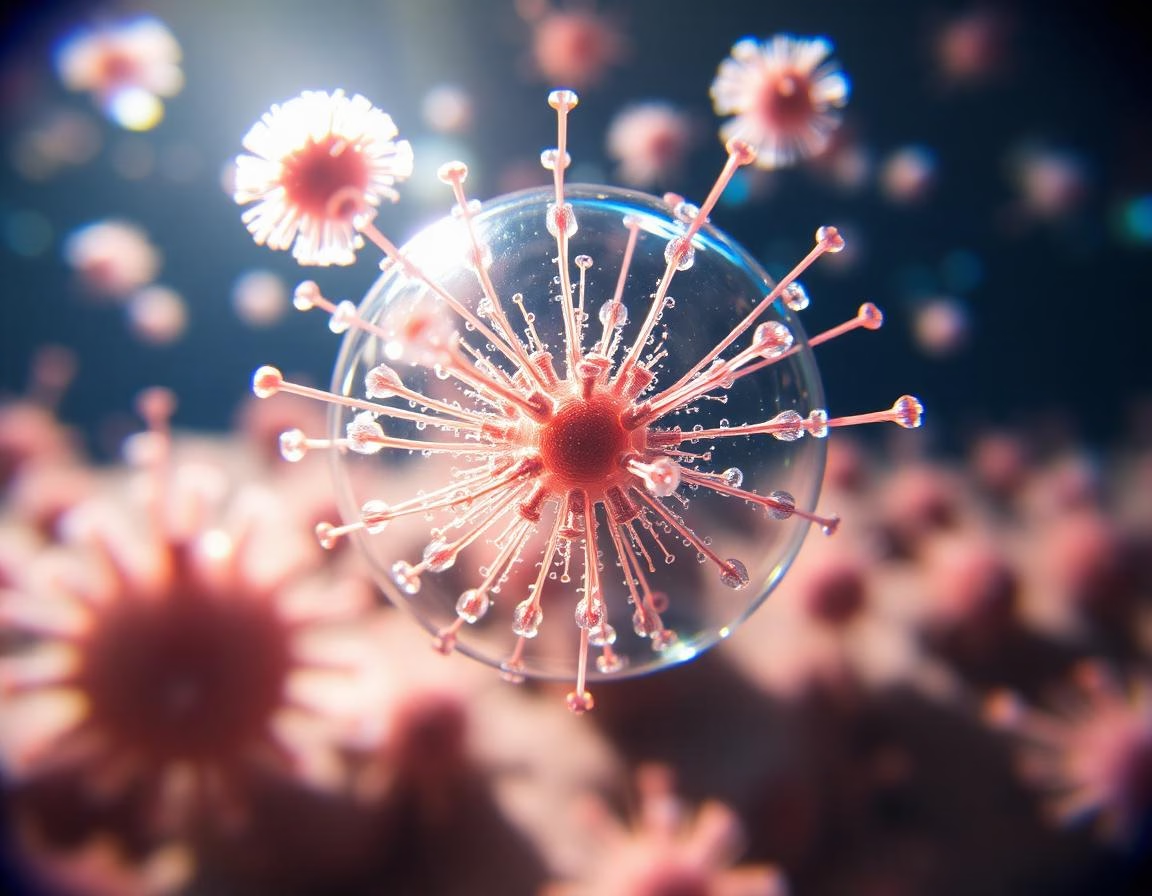
Understanding the Superbug Crisis
Antibiotic resistance is not just a buzzword; it has severe implications for public health. Infections such as MRSA and VRE can lead to life-threatening conditions like sepsis and pneumonia, often without effective treatment options. The cycle of antibiotic use leads to natural selection, where resistant bacteria survive and multiply, further compounding the problem. As our arsenal of antibiotics dwindles, the urgency for alternative treatments has never been greater.
Phages: Nature’s Bacterial Predators
Bacteriophages, or phages, are viruses that specifically target bacteria. These tiny entities are abundant in nature, capable of regulating bacterial populations without harming human cells. Phage therapy, initially explored in the early 20th century, offers a targeted approach to combat infections. Unlike broad-spectrum antibiotics, phages can be precisely matched to specific bacterial strains, minimizing collateral damage to beneficial microbiota. As antibiotic resistance grows, researchers are revisiting phage therapy with renewed enthusiasm.
The Role of AI in Phage Therapy
Finding the right phage for a specific bacterial infection has historically been a challenging task, often taking considerable time and effort. Enter AI, which has the potential to revolutionize phage therapy by rapidly identifying and even designing phages tailored to combat resistant strains. By analyzing vast datasets of genetic sequences and interaction patterns, AI can predict which phage characteristics will prove most effective, enabling a more precise and timely response in clinical settings.
Customizing Phage Cocktails for Enhanced Efficacy
One of the most exciting developments in this area is the creation of customized phage cocktails. Instead of relying on a single phage, researchers can use AI to develop combinations of multiple phages, each targeting different vulnerabilities of the superbug. This multi-faceted approach makes it significantly harder for bacteria to develop resistance, akin to a well-coordinated military strategy that covers all bases.
Real-World Applications and Clinical Trials
While the theoretical framework is promising, the real test lies in clinical applications. Early reports of phage therapy saving patients with untreatable infections are encouraging. These cases provide invaluable data, paving the way for increased clinical trials. Regulatory bodies are beginning to recognize the urgent need for novel therapies, and AI-designed phages are being positioned as a viable solution to the superbug crisis. Ongoing trials will be essential in establishing safety and efficacy guidelines for these innovative treatments.
Expanding the Horizons: Beyond Superbugs
The implications of combining AI and phages extend well beyond antibiotic resistance. The methodologies developed in this field could lead to breakthroughs in various areas of medicine, including antiviral therapies, targeted cancer treatments, and personalized medicine. The integration of AI into drug discovery represents a significant paradigm shift, opening up new therapeutic avenues that were previously unimaginable.
Challenges and Ethical Considerations
Despite the exciting potential, challenges remain. Ensuring the safety and specificity of AI-designed phages is critical. Rigorous testing is necessary to prevent unintended consequences, such as harming beneficial bacteria or transferring unwanted genetic traits. Additionally, public perception of phages must be addressed, as the term “virus” can evoke fear. Educating the public about the beneficial role of phages is essential for acceptance.
Conclusion: A New Era in Infectious Disease Treatment
The collaboration between AI and bacteriophages marks a transformative moment in the fight against superbugs. This innovative approach not only promises to restore the efficacy of modern medicine but could also reshape our strategies for tackling infectious diseases. As we navigate the complexities of implementing these technologies, the convergence of intelligence, precision, and natural biology offers a bold vision for the future of healthcare.
Key Takeaways:
- Antibiotic resistance is a growing global health threat, necessitating urgent alternative therapies.
- Bacteriophages offer a targeted approach to combat superbugs, minimizing damage to beneficial bacteria.
- AI enhances phage therapy by rapidly identifying and designing custom phages for specific infections.
- Customized phage cocktails present a strategic advantage in preventing bacterial resistance.
- Ongoing clinical trials will be vital for validating the safety and effectiveness of AI-driven phage therapies.
Read more → www.thetechedvocate.org