
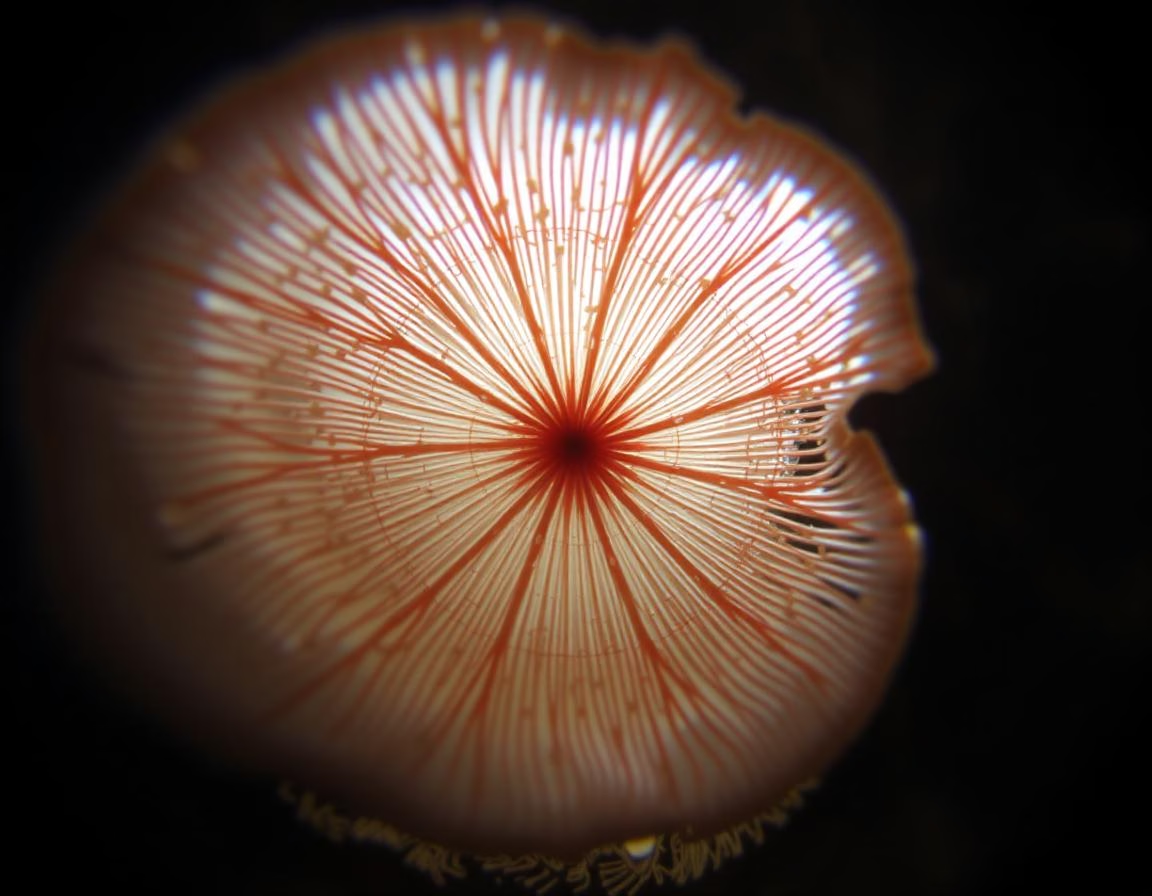
Living fungal fibers possess remarkable properties that have the potential to revolutionize material science. These fibers are not only capable of growing and self-repairing but also excel at breaking down waste, offering a sustainable solution to material challenges.
Functional Properties That Evolve
One of the most exciting aspects of living fungal fibers is their functional properties, which improve over time. Unlike traditional materials that may degrade or lose effectiveness, these fibers adapt to their environment. This adaptability is crucial in various applications, from construction to wearable technology, where dynamic performance is essential.
Self-Repairing Capabilities
Self-repair is another significant advantage of living fungal materials. When damaged, these fibers can regenerate themselves, maintaining their integrity and functionality. This characteristic can lead to longer-lasting products, reducing the need for replacements and minimizing waste. The implications for industries such as construction and consumer goods are profound, as they could lead to more durable and sustainable practices.
Waste Decomposition and Sustainability
In addition to their adaptive qualities, living fungal fibers can break down organic waste. This capability not only contributes to environmental sustainability but also reduces the ecological footprint of materials. By integrating waste decomposition into their lifecycle, these fibers align with modern sustainability goals, making them a compelling choice for future material development.
Versatile Applications
The versatility of living fungal fibers opens doors to numerous applications. In construction, they could replace conventional materials, leading to buildings that are not only strong but also environmentally friendly. In the realm of fashion, these fibers can create clothing that adapts to temperature changes, enhancing comfort and functionality. The potential uses are limited only by our imagination.
Advances in Material Science
Recent advancements in material science have paved the way for the integration of living fungal fibers into various products. Researchers are exploring how to optimize these fibers for specific uses, including their mechanical properties and growth rates. This exploration is key to realizing their full potential and ensuring they can meet industrial standards.
The Role of Technology
Technology plays a crucial role in harnessing the power of living fungal fibers. Innovations in biotechnology and materials engineering are essential for developing methods to cultivate and manipulate these fibers effectively. As our understanding deepens, we can expect to see even more groundbreaking applications emerge, transforming how we think about materials.
Future Prospects
The future of living fungal fibers is bright, with ongoing research suggesting even more applications and improvements. As we face global challenges such as climate change and waste management, these adaptive materials could become essential tools in addressing these issues. Their ability to grow, self-repair, and decompose waste positions them as a cornerstone of sustainable material innovation.
Key Takeaways
- Living fungal fibers offer self-repairing capabilities, enhancing durability.
- These materials can adapt and improve over time, making them versatile.
- Their ability to decompose waste supports sustainability efforts.
- Advances in biotechnology are crucial for optimizing their applications.
- The future holds significant promise for integrating these fibers into various industries.
In conclusion, living fungal fibers represent a transformative shift in material science. Their unique properties not only address current material challenges but also pave the way for sustainable innovation. As research and technology continue to advance, these fibers could redefine our approach to materials in numerous fields, making them a vital part of our future.
Read more → www.nanowerk.com