
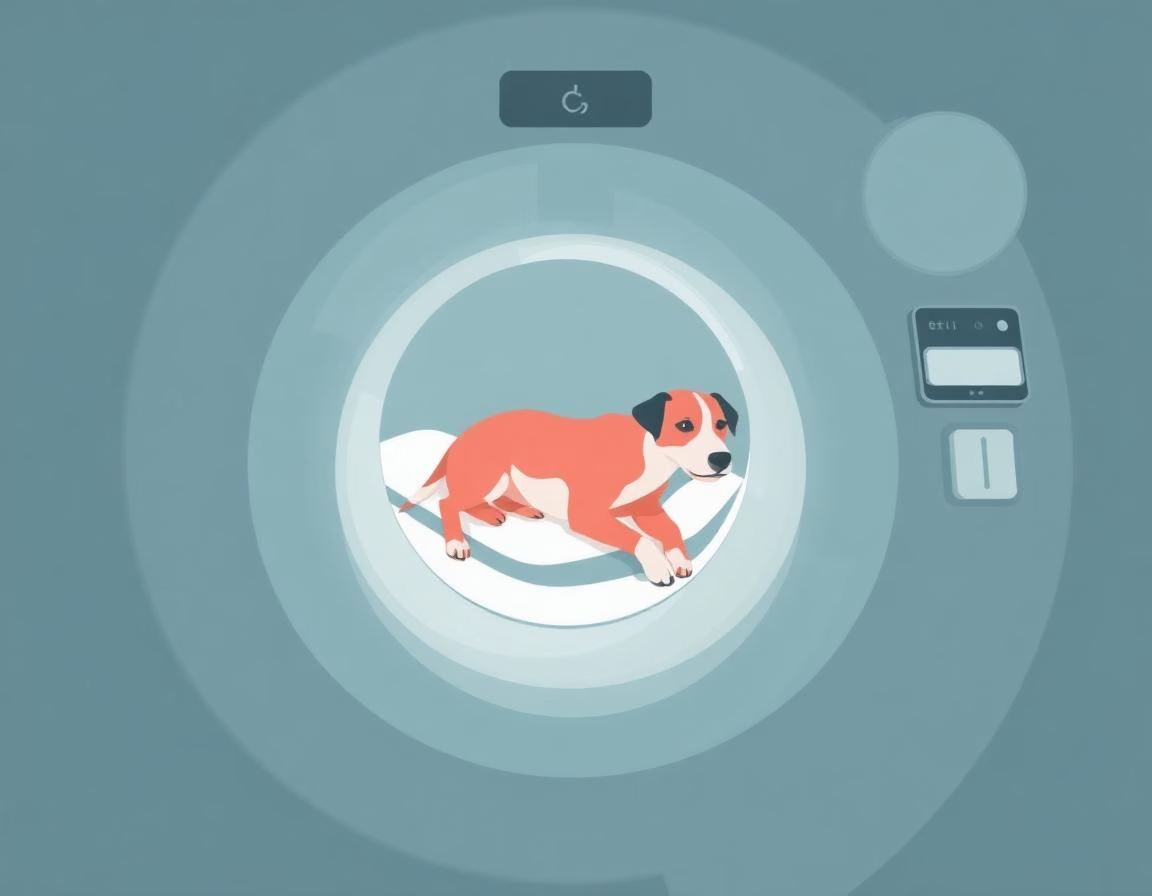
The sight of a tiger undergoing a CT scan might seem surreal, reminiscent of a whimsical animated film. Yet, this scenario is a reality at the Denver Zoo Conservation Alliance, where innovative veterinary care is provided to a wide range of animals.
A World-Class Veterinary Facility
The Denver Zoo is recognized as one of the most advanced veterinary hospitals globally, accredited by the Association of Zoos and Aquariums. It features a primary care clinic dedicated to the animals, offering preventative healthcare services, including vaccinations and routine check-ups. Additionally, it operates as an emergency clinic and referral center, equipped to handle specialized care such as radiology and oncology.
Daily Operations in Wildlife Health
For Jimmy Johnson, the head veterinarian at the Denver Zoo, each day brings new challenges and experiences. As the senior director of wildlife health and conservation, he leads a dedicated team responsible for a broad spectrum of tasks, ranging from performing CT scans on elephants to conducting surgeries on tigers. His team includes four clinical veterinarians, a veterinary pathologist, a director of veterinary operations, and five registered veterinary technicians.
Morning Rounds and Diagnostic Imaging
The day begins with morning rounds, where the veterinary team reviews appointments and procedures for approximately 3,000 animals residing at the zoo. Following this, they perform anesthetized procedures, which prominently feature diagnostic imaging. This process resembles a hospital visit, where various imaging techniques—such as CT scans, X-rays, ultrasounds, and endoscopies—are utilized on animals like tigers and bears.
Unique Challenges with Large Animals
Typically, animals receive preventative treatments that encompass physical exams and CT scans. Most animals can be safely anesthetized and transported for these procedures. For those weighing under 700 pounds, a specialized table is used to ensure the examination is conducted effectively. However, larger species, such as elephants, rhinos, and giraffes, present unique challenges, as they cannot fit into standard CT scanners or be easily transported.
To accommodate these larger animals, the veterinary team often brings the examination to them. Remarkably, many of the larger animals have been trained to cooperate during procedures. For instance, elephants can be taught to lift their feet for X-rays, allowing veterinarians to capture necessary images without anesthesia.
Overcoming Diagnostic Limitations
Despite the advanced medical imaging technology at their disposal, Johnson notes that imaging larger animals can still pose difficulties. While the team can perform blood tests, ultrasounds, and observe clinical signs, they sometimes must piece together diagnoses using multiple sources of information.
The diagnostic process begins with the wildlife care team closely monitoring animal behavior. If any unusual behavior is detected, a veterinarian is called in to assess the situation and devise a diagnostic plan. More comprehensive testing can be conducted at the clinic if necessary.
A Passion for Veterinary Medicine
Johnson’s role encompasses a dynamic blend of responsibilities, ensuring that no two days are alike. This variety is precisely what attracted him to the field of veterinary medicine. The opportunity to work closely with wildlife and employ innovative techniques in animal care keeps his passion for the profession alive.
Takeaways
- The Denver Zoo is a leading veterinary facility that specializes in the care of diverse animal species.
- Anesthetized procedures, including CT scans and X-rays, are essential for diagnosing and treating zoo animals.
-
Large animals require specialized techniques and training for effective examination without anesthesia.
-
The diagnostic process relies heavily on the wildlife care team’s observations and the veterinarians’ expertise.
-
Johnson’s work exemplifies the exciting and varied nature of wildlife veterinary medicine.
In conclusion, the Denver Zoo exemplifies the intersection of veterinary science and wildlife conservation. With advanced imaging technologies and a dedicated team, they provide exceptional care that not only addresses health issues but also enhances our understanding of these magnificent creatures. The innovation and commitment displayed by Johnson and his team are vital for the ongoing health and well-being of the animals in their care.
Read more → www.usatoday.com