
Glioblastoma is the most prevalent and aggressive brain tumor in adults, known for its ability to infiltrate neighboring brain tissue and metastasize beyond the primary site. Recent research conducted by experts from DZNE, University Hospital Bonn, and the Cluster of Excellence “ImmunoSensation” at the University of Bonn has provided new insights into the dynamics of this infiltration process using advanced microscopy techniques. Their findings, derived from studies on mice with a brain cancer closely resembling human glioblastoma, shed light on the intricate interactions between tumor cells and the brain’s resident immune cells, known as microglia.
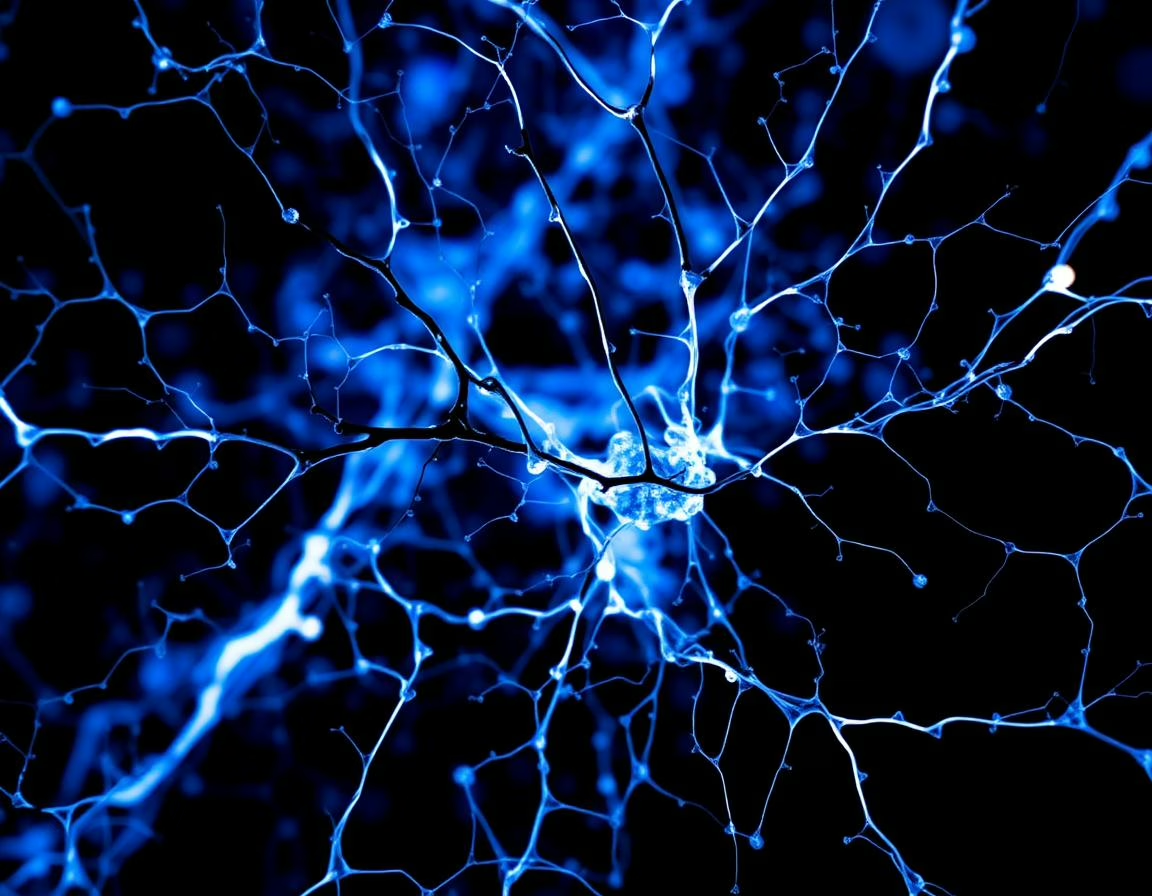
Microglia: More than Passive Observers
Traditionally viewed as passive guardians of the brain, microglia are now recognized for their active role in tumor biology. The study published in the journal Immunity emphasizes that these immune cells do not merely stand by; they significantly influence both the containment and dissemination of glioblastoma cells. This paradigm shift in understanding microglial function may open new therapeutic avenues for combating this formidable disease.
Advanced Imaging Reveals Tumor-Microglia Interactions
Utilizing three-photon microscopy, which employs infrared light for deep tissue imaging, researchers focused on the “far infiltration zone.” This area lies several millimeters away from the main tumor, providing a critical observational point for assessing how glioblastoma spreads. The team noted that microglia exhibited heightened motility and surveillance when glioblastoma cells were sparse. However, as the tumor’s infiltration increased, the microglial response diminished, suggesting a complex relationship that evolves as the tumor develops.
Impact of Microglial Behavior on Tumor Spread
The study highlighted a pivotal discovery: the behavior of microglia adapts depending on the tumor’s growth stage. Initially, these immune cells ramp up their activity in response to a few invading glioblastoma cells, but as the tumor proliferates, their ability to respond effectively wanes. This decline in microglial activity may contribute to the aggressive nature of glioblastoma, allowing the tumor to spread more freely.
Exploring Therapeutic Targets: Microglial Receptors
To further investigate the role of microglia in tumor dynamics, scientists examined the consequences of disabling specific receptors that microglia use to interact with their environment. This approach helped to elucidate how microglial sensing impacts their responses to glioblastoma. Additionally, researchers explored pharmacological depletion, significantly reducing the number of microglia to assess how this affects tumor progression.
Implications for Future Treatments
Dr. Felix Nebeling, the study’s lead author, emphasized the importance of understanding the interactions between glioblastoma cells and microglia. Their findings indicate that targeting microglial functions could represent a promising strategy for curbing tumor spread and enhancing patient outcomes. By manipulating microglial activity, it may be possible to create a more hostile environment for glioblastoma cells, potentially stalling their invasive capabilities.
Conclusion
The intricate interplay between microglia and glioblastoma underscores the complexity of brain tumors and their microenvironment. As research progresses, the potential for innovative treatment strategies targeting microglial activity emerges, offering hope for improved management of this aggressive cancer. By redefining the role of microglia in glioblastoma, scientists pave the way for novel therapeutic approaches that could significantly alter the course of treatment for patients.
- Key Takeaways:
- Microglia actively influence glioblastoma growth and spread.
- Advanced imaging techniques reveal the dynamic interactions between tumors and immune cells.
- Targeting microglial functions may offer new therapeutic strategies for glioblastoma.
- The behavior of microglia changes in response to tumor infiltration, impacting their effectiveness.
- Future treatments may focus on manipulating microglial activity to combat tumor aggressiveness.
Read more → www.news-medical.net



