
Biologists are making significant strides in understanding limb regeneration, with recent discoveries highlighting the shared genetic mechanisms among axolotls, zebrafish, and mice. By employing a viral therapy that mimics these genes in mice, researchers have successfully triggered bone regrowth, paving the way for potential gene therapies aimed at regenerating human limbs.
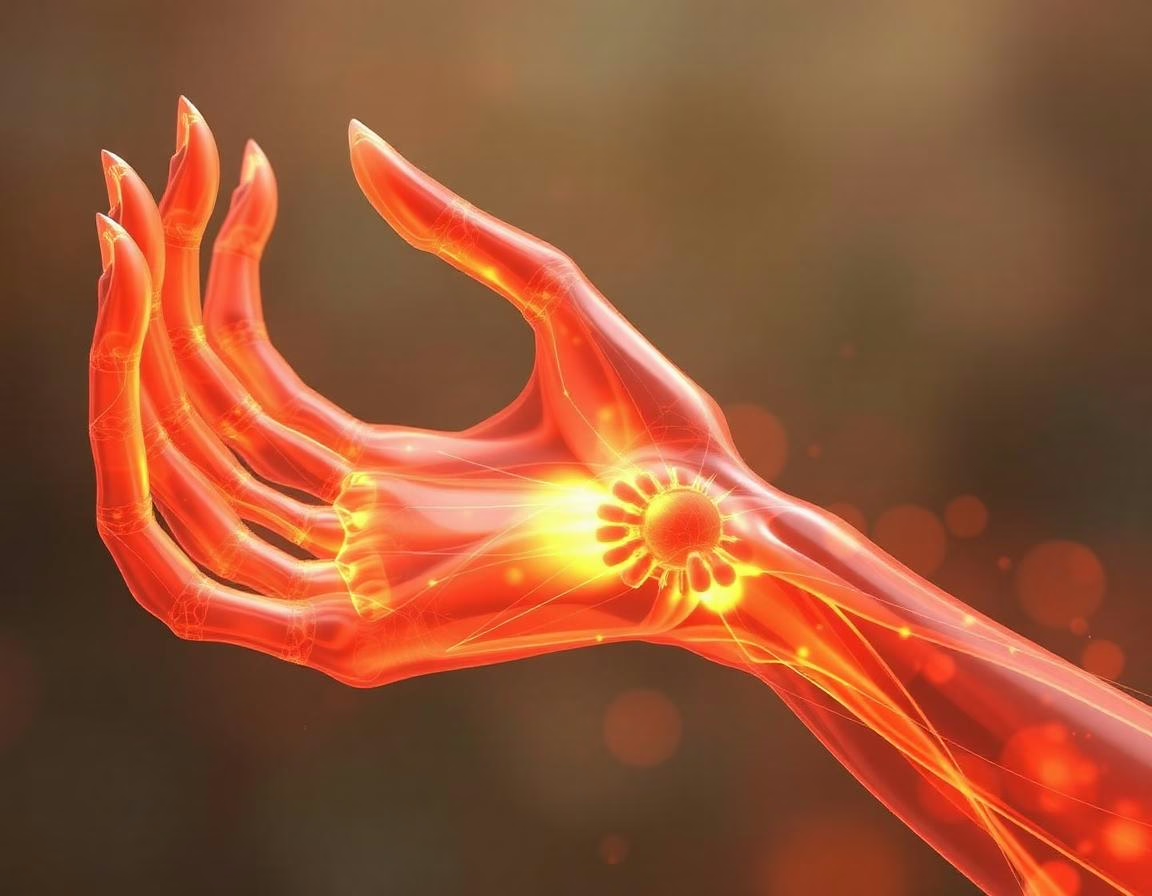
Universal Genetic Program for Regeneration
A collaborative study involving Wake Forest University, Duke University, and the University of Wisconsin-Madison has unveiled a universal genetic “program” crucial for limb regeneration. The findings, published in the Proceedings of the National Academy of Sciences, shed light on specific genes common to axolotls, zebrafish, and mice, suggesting a pathway to develop gene therapies for humans who have lost limbs due to injury or disease.
Healing Across Species
The research team focused on three distinct species to identify common healing traits. The Mexican axolotl is renowned for its ability to regenerate entire limbs, while the zebrafish can regrow its fins. In contrast, mammals like mice—and by extension, humans—are typically limited to regrowing only the tips of their digits.
The Role of SP Genes
Researchers pinpointed a specific family of genes, known as SP6 and SP8, that are activated in the skin during the regeneration process across all three species. These genes act as a master switch, initiating the growth of underlying bone and tissue. This discovery is revolutionary, as it reveals that the regenerative processes in these animals are governed by similar genetic pathways.
Mimicking Nature’s Mechanisms
Recognizing the pivotal role of the SP genes, the research team sought to replicate their regenerative effects. In nature, SP8 activates another gene called FGF8. To explore whether they could induce regeneration artificially, the team developed a viral gene therapy utilizing a tissue enhancer found in zebrafish. They delivered the FGF8 molecule to mice missing their natural SP genes, which resulted in a successful demonstration of bone regrowth and the partial restoration of regenerative capabilities.
Addressing a Critical Need
With over one million limb amputations occurring globally each year due to conditions such as diabetes, trauma, and infection, the urgency for biological solutions cannot be overstated. Although humans currently lack the regenerative abilities of salamanders, this research underscores that we share the fundamental genetic “hardware” necessary for regeneration.
Future of Regenerative Medicine
The researchers propose that gene therapy could complement stem cell treatments and bioengineered scaffolds to effectively “rewire” the human body’s response to injury. By emulating the “regenerative style” observed in salamander skin, scientists aspire to move beyond prosthetics and toward the development of fully functional limb replacements.
Conclusion
This groundbreaking research opens new avenues in regenerative medicine, demonstrating the potential for gene therapies to transform the treatment of limb loss. By harnessing the genetic insights gleaned from salamanders, we may one day offer patients not just hope, but a tangible path to regeneration.
- Takeaway 1: Salamanders possess unique genetic capabilities that enable them to regenerate limbs.
- Takeaway 2: SP6 and SP8 genes are critical for activating the limb regeneration process in various species.
- Takeaway 3: Viral gene therapy has shown promise in inducing bone regrowth in mice.
- Takeaway 4: There is a pressing need for advancements in regenerative medicine due to the high number of limb amputations worldwide.
- Takeaway 5: Future treatments may integrate gene therapy with stem cell and bioengineering approaches for enhanced regenerative outcomes.
Read more → www.openaccessgovernment.org