
India stands on the brink of introducing its first widely applicable dengue vaccine, a pivotal step as climate change increasingly affects the spread of mosquito-borne diseases nationwide. With rising dengue cases, the approval of Takeda’s Qdenga vaccine signifies a promising development in public health strategy.
Regulatory Approval Process
An expert committee from India’s leading drug regulatory authority has recommended the conditional approval of Qdenga for import. This recommendation hinges on Takeda conducting a post-marketing study within six months to monitor the vaccine’s safety and efficacy in the local population.
If granted full approval, the vaccine will be available for individuals aged 4 to 60, providing a new layer of defense in a country that frequently experiences dengue outbreaks, particularly during the monsoon season.
The Role of Climate Change
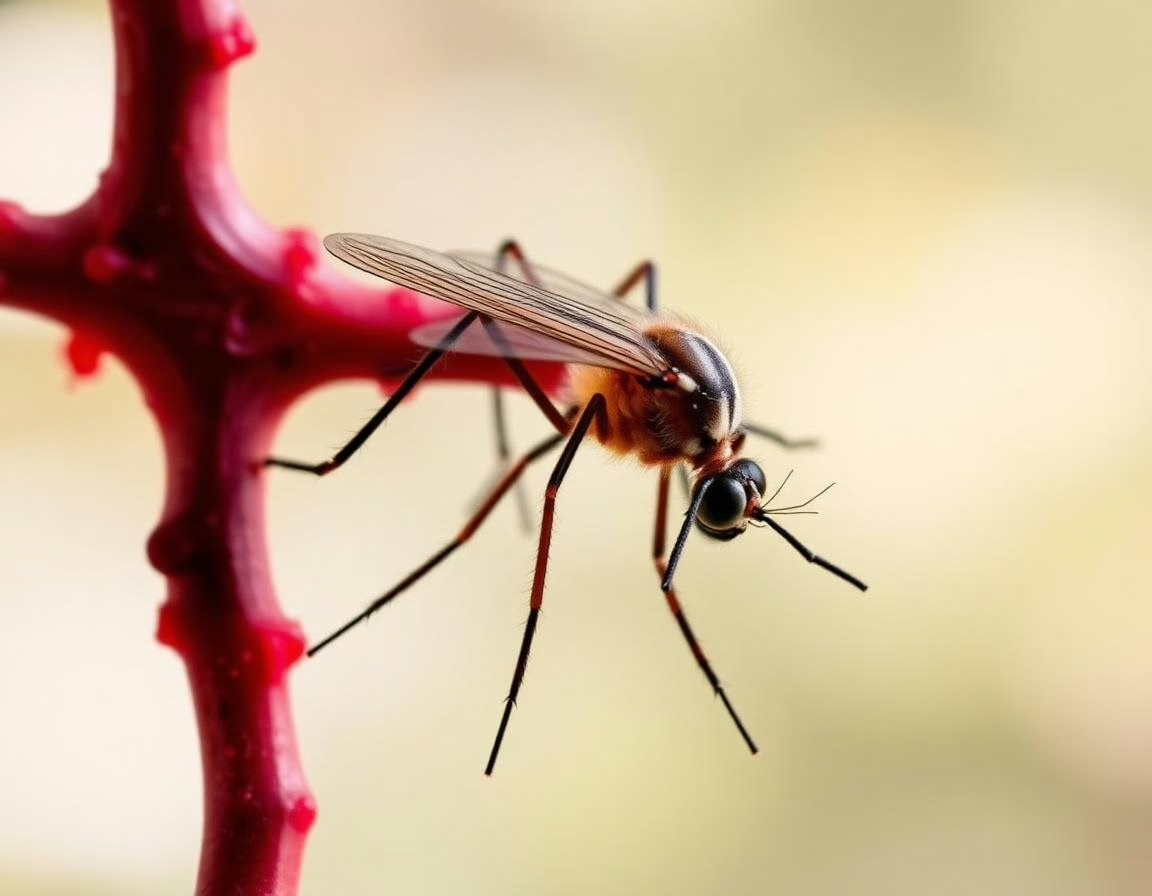
The urgency of this vaccine’s introduction is underscored by experts’ concerns regarding climate change, which is expanding the habitat of the Aedes mosquito, the primary vector of dengue. Increasing temperatures, unpredictable rainfall, and prolonged humidity are creating optimal breeding conditions for these mosquitoes, thereby lengthening transmission seasons and causing outbreaks in areas previously less impacted.
Urbanization, stagnant water, and shifting weather patterns exacerbate the situation, with cities reporting escalating dengue cases annually. During peak seasons, hospitals are overwhelmed, highlighting the critical need for preventive measures beyond traditional vector control.
Current Control Measures
Historically, India has relied on mosquito control, early detection, and supportive clinical care to combat dengue. While these strategies are essential, the lack of a broad-spectrum vaccine has been a significant gap in the country’s public health arsenal.
The introduction of Qdenga could help fill this void. Unlike previous vaccines, Qdenga can be administered without prior dengue infection, making it suitable for a wider demographic in endemic regions.
Clinical Trial Success
The expert panel’s recommendation is backed by extensive data from both global and Indian clinical trials. A major Phase 3 trial involving approximately 21,000 participants across multiple countries demonstrated the vaccine’s effectiveness. Additionally, a localized study confirmed its safety and immune response in the target age group.
Post-marketing data from countries already using the vaccine has not indicated any significant new safety concerns, bolstering confidence in its deployment.
Collaboration for Local Production
Qdenga is expected to be marketed in India through a partnership with Biological E, which will facilitate local production. This collaboration aligns with the Indian government’s “Make in India” initiative, aimed at enhancing accessibility and affordability of the vaccine.
Integrated Health Strategies
While the regulatory recommendation is a notable advancement, experts emphasize that vaccination alone will not eliminate dengue. Comprehensive strategies that include vector control, public education, improved sanitation, and enhanced surveillance will remain crucial in the fight against this disease.
The availability of Qdenga is anticipated to lessen the severity of outbreaks, reduce hospitalization rates, and alleviate pressure on healthcare systems during peak transmission times.
Future Prospects
The global incidence of dengue has surged over the past five decades, with projections indicating continued increases in the coming years. As India prepares to embrace a vaccine, the integration of various health strategies will be key to managing dengue effectively.
In summary, the potential rollout of Qdenga represents a significant milestone in India’s public health strategy against dengue. As climate change continues to challenge disease control efforts, this vaccine offers hope for a more robust response to future outbreaks.
- The vaccine is approved for ages 4 to 60.
- A post-marketing study is required for continued monitoring.
- Climate change exacerbates the spread of dengue.
- Local production aligns with national manufacturing initiatives.
- Vaccination is part of a broader public health strategy.
Read more → www.outlookindia.com



