
Grass tetany and blackleg pose significant threats to cattle health, yet both are preventable through effective management practices and vaccination strategies. As a cattle manager, being informed about these conditions is essential for maintaining the well-being of your herd.
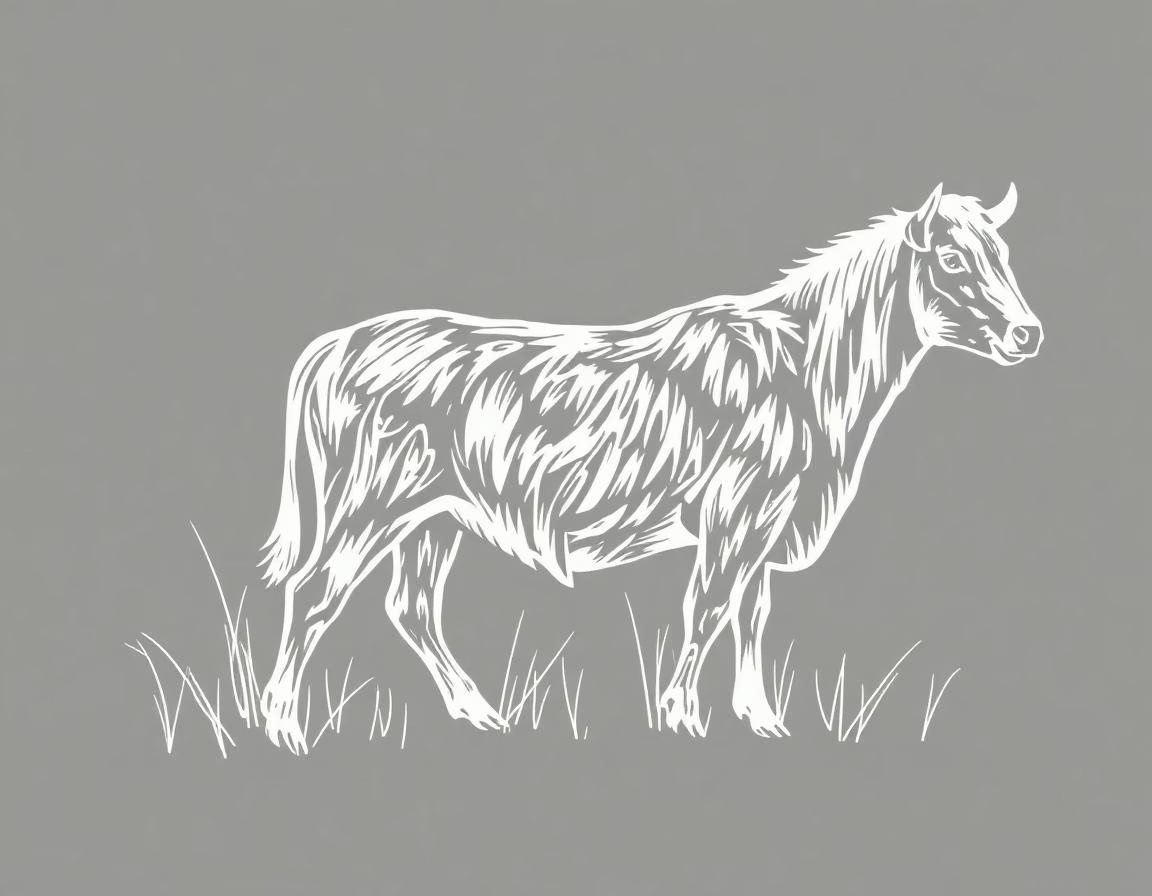
Grass Tetany: A Hidden Danger
Grass tetany is primarily a metabolic disorder stemming from low magnesium levels in cattle, particularly during the lush growth of early spring. This condition is most prevalent among lactating cows, who have heightened magnesium requirements. The rapid growth of cool-season grasses during this time often leads to a dilution of magnesium, while increased potassium and nitrogen levels further impede absorption in the rumen.
Understanding the contributing factors is crucial for prevention. Environmental conditions such as cold, cloudy weather can exacerbate the low magnesium content in grasses, creating a perfect storm for this disorder. Additionally, the magnesium demands of high-producing cows increase the risk, making early spring a critical period for vigilant management.
Recognizing the Symptoms
Cattle affected by grass tetany can exhibit subtle signs that quickly escalate into severe symptoms. Initial indicators may include twitching, hypersensitivity, and uncoordinated movement. These symptoms can rapidly progress to muscle spasms, rapid breathing, and potentially fatal collapse. Immediate veterinary attention is essential if grass tetany is suspected, as treatment requires careful dosing and monitoring.
Proactive Prevention Strategies
Preventing grass tetany involves a multi-faceted approach:
- Magnesium Supplementation: Providing a free-choice mineral mix containing magnesium can significantly reduce the risk.
- Selective Pasture Management: Avoiding pasture access for older, high-producing cows during the early spring flush is advisable. Additionally, offering hay before turnout can mitigate rapid intake of lush grasses.
-
Soil and Pasture Management: To enhance magnesium uptake, consider mixing grasses with legumes, which naturally possess higher magnesium content. It’s also crucial to manage soil fertility to prevent excessive potassium and nitrogen levels.
Blackleg: A Swift and Silent Threat
In contrast to grass tetany, blackleg is a rapidly fatal clostridial disease caused by the bacteria Clostridium chauvoei, which resides in soil. This disease predominantly affects cattle aged 6 to 24 months and can strike without warning. Spores from contaminated soil can enter the animal’s body, lying dormant until triggered by stressors such as bruising or rapid growth.
The danger of blackleg lies in its sudden onset. Healthy, fast-growing cattle often show no prior signs and can suddenly be found dead. If symptoms are present, they may include lameness, swelling in large muscle groups, fever, and a distinctive crackling sensation due to gas accumulation.
The Importance of Vaccination
Given the rapid progression of blackleg and its high fatality rate, prevention through vaccination is critical. Calves should receive their initial vaccination at 2–4 months of age, followed by a booster. Vaccines are both cost-effective and highly effective in safeguarding against this disease.
Management Practices for Blackleg Prevention
To bolster herd health against blackleg, consider the following management strategies:
- Prompt Carcass Removal: Quickly disposing of deceased animals helps to limit environmental contamination.
-
Minimize Soil Disturbance: Reducing unnecessary soil disruption decreases the likelihood of exposing dormant spores.
-
Nutritional Support: Ensuring that cattle receive optimal nutrition supports their immune function, providing an additional layer of protection.
-
Maintain Vaccination Records: Keeping accurate records ensures that calves receive timely boosters, maximizing their immunity against this disease.
Conclusion
The loss of livestock due to diseases like grass tetany and blackleg can have profound financial implications for cattle producers. However, through informed management and proactive prevention strategies, these risks can be significantly mitigated. Understanding the signs and symptoms, coupled with effective vaccination and pasture management, ensures the health and productivity of your herd.
Key Takeaways
- Grass tetany arises from low magnesium levels and is most prevalent in lactating cows during spring.
-
Symptoms of grass tetany can escalate quickly, necessitating immediate veterinary attention.
-
Blackleg is a clostridial disease that can suddenly affect healthy cattle, making vaccination essential.
-
Management strategies for both conditions include nutritional support, selective grazing, and maintaining thorough vaccination records.
-
Early intervention and education can help protect your herd from these preventable diseases.
Read more → www.farmanddairy.com



