
Introduction to the Gut-Brain Dialogue
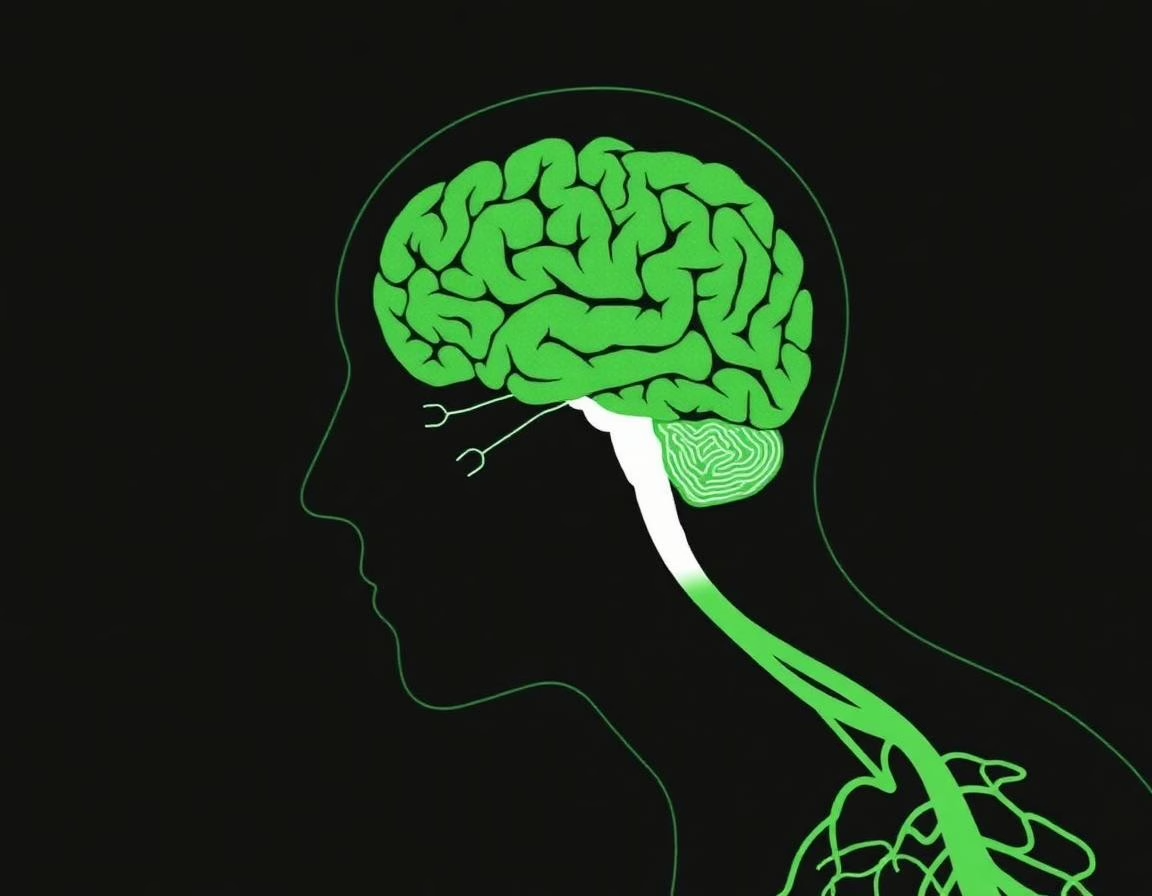
Recent research sheds light on the intricate relationship between our gut health and brain signaling, particularly during parasitic infections. A study published in a prominent journal has unveiled a communication pathway that may explain why infections can suppress appetite, highlighting the role of specialized cells in the gut.
The Role of Epithelial Cells in Gut Signaling
Within the gastrointestinal tract, specialized epithelial cells, including enterochromaffin (EC) cells and tuft cells, play critical roles in sensing harmful stimuli. EC cells are known for their ability to release serotonin, a neurotransmitter that can trigger feelings of nausea and pain. On the other hand, tuft cells are adept at detecting parasites and initiating immune responses. However, the mechanisms through which these cells interact to influence brain signaling and feeding behavior have long remained a mystery.
Methodology: A Comprehensive Approach
To investigate this gut-brain connection, researchers employed a multifaceted approach that included cellular, molecular, and animal models. By creating organoids from mouse intestinal tissue, they successfully replicated the gut’s epithelial structure and functionality. They utilized advanced calcium imaging techniques to monitor cellular activation, employing genetically encoded indicators and serotonin sensors to gain insights into the signaling processes at play.
In addition, the researchers developed biosensor cells to assess the release of acetylcholine, a neurotransmitter involved in signaling between nerve cells. Various pharmacological agents were employed to dissect the receptor pathways responsible for acetylcholine release, providing a clearer understanding of tuft cell functionality.
Discovering Tuft Cell Communication
The findings of this study revealed a novel communication pathway linking tuft cells and EC cells, illustrating how immune responses can influence neural signaling. Tuft cells were found to release acetylcholine through two distinct mechanisms: an acute response to succinate, a signal derived from protists, and a sustained release during type 2 inflammation triggered by interleukins. This dual mechanism highlights the unique role of tuft cells, which can release neurotransmitters without relying on traditional synaptic vesicles or electrical excitability.
Mechanisms of Acetylcholine and Serotonin Release
The research identified that the acetylcholine released from tuft cells selectively activates muscarinic receptors on EC cells, particularly the M3R subtype. This interaction stimulates the production of intracellular calcium, leading to increased serotonin release. The duration and intensity of acetylcholine release were found to be critical in determining the effects on serotonin output and subsequent neural activation.
While brief bursts of acetylcholine led to minimal serotonin release, sustained signaling during inflammation significantly elevated serotonin levels. This upsurge in serotonin robustly activated vagal afferent neurons, indicating a powerful link between gut signaling and brain activity.
The Impact of Parasitic Infections
To contextualize these findings, the researchers examined the effects of parasitic infections, specifically using Nippostrongylus brasiliensis as a model. This investigation confirmed that the communication pathway between tuft cells and EC cells is not only functional but also physiologically relevant. Increased serotonin levels during infection were coupled with enhanced vagal nerve activity and receptor activation in critical brain areas.
Mice lacking tuft cells or the enzyme necessary for acetylcholine synthesis exhibited diminished serotonin release and neural activation, reinforcing the significance of this pathway in the context of parasitic infections.
Feeding Behavior and Immune Response
The study’s results suggest that sustained activation of the gut-brain connection can lead to reduced food intake during periods of inflammation. While acute signaling had minimal effects, the prolonged release of acetylcholine during infection led to significant changes in feeding behavior, highlighting a protective mechanism that may limit nutrient availability to parasites.
This intricate relationship underscores how the gut communicates ongoing infections to the brain, prompting adaptive responses in feeding behavior.
Conclusion: A New Perspective on Gut-Brain Interactions
This research enhances our understanding of the gut-brain axis, revealing a crucial communication network that connects immune responses to changes in feeding behavior. The identified pathway not only offers insight into gastrointestinal disease processes but also opens new avenues for therapeutic strategies targeting these interactions. By manipulating this signaling pathway, we might develop innovative treatments for metabolic disturbances and symptoms associated with infections.
- Key Takeaways:
- Tuft cells play a pivotal role in gut-brain signaling during parasitic infections.
- Acetylcholine release from tuft cells activates serotonin production in EC cells.
- Sustained activation of this signaling pathway can suppress appetite, serving as a protective mechanism against parasites.
- Understanding this communication network opens doors for potential therapeutic interventions targeting feeding behaviors and gastrointestinal health.
Read more → www.news-medical.net



