
The interplay between our gut microbiome and brain function has emerged as a captivating frontier in the realm of translational psychiatry. Recent discoveries suggest that the microorganisms residing in our intestines play a pivotal role in influencing not just our physical health, but also our mental well-being. As we delve into this intricate relationship, the challenge lies in translating these insights into effective therapeutic interventions that can be integrated into clinical practice.
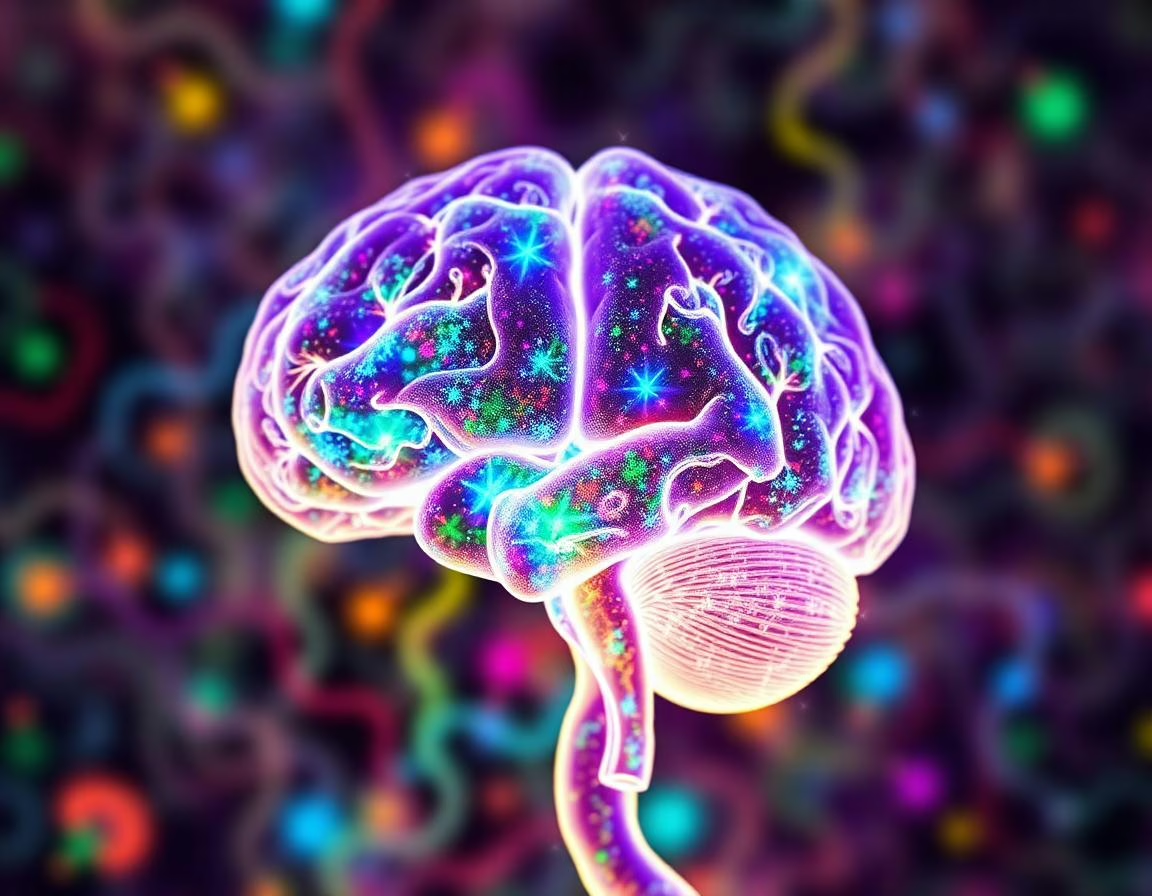
The Gut-Brain Connection
The gut-brain axis represents a complex communication network that links the gastrointestinal system to the central nervous system. This connection is bidirectional, meaning that not only can the brain influence gut health, but the gut can also impact mental states and behaviors. Understanding this dialogue is crucial, particularly as we aim to develop precision psychiatry approaches tailored to individual patients.
Recent advancements in microbiome research have reshaped our understanding of mental health disorders, particularly those associated with stress and gastrointestinal issues. Conditions like anxiety and depression are often intertwined with gastrointestinal dysfunction, highlighting the necessity of exploring the gut-brain connection. By improving our grasp of these mechanisms, we can unlock potential therapeutic avenues that have previously remained unexplored.
A Multidisciplinary Approach
To truly unravel the complexities of the microbiome-gut-brain axis, interdisciplinary collaboration is essential. Researchers from diverse fields, including microbiology, neuroscience, and psychiatry, must join forces to deepen our understanding of how these systems interact. This collaboration will allow us to appreciate the multifaceted nature of psychiatric disorders, which are often characterized by a confluence of biological, psychological, and social factors.
Recognizing psychiatric disorders as heterogeneous multisystem conditions is vital for advancing our knowledge. By incorporating microbial factors into the broader neurobiological framework, we can gain insights into the developmental and degenerative processes that influence mental health across the lifespan.
Mechanisms and Therapeutic Potential
A significant focus of ongoing research is to elucidate the mechanisms through which gut microbiota affect brain function. Studies have indicated that gut bacteria can produce neurotransmitters and metabolites that influence mood and cognition. By understanding these pathways, we can develop targeted interventions that harness the power of the microbiome to promote mental health.
The potential for novel treatments based on microbiome science is immense. Probiotics, prebiotics, and dietary modifications are just a few examples of how we can manipulate gut health to improve mental well-being. However, translating these findings into clinical practice requires rigorous testing and validation to ensure safety and efficacy.
Challenges and Future Directions
While the future of microbiome research in psychiatry is promising, it is not without challenges. The complexity of the gut microbiota and its interactions with host physiology necessitates careful study. Variables such as diet, environment, and genetics all influence microbial composition, making it difficult to establish clear causal relationships.
As we embark on this journey toward understanding the microbiome’s role in mental health, we must remain vigilant about the potential pitfalls. Rigorous scientific methodologies and clinical trials are essential to navigate this landscape effectively and to ensure that therapeutic interventions are both safe and beneficial.
Implications for Mental Health Outcomes
The implications of this research extend beyond individual treatment. By understanding the microbiome’s influence on mental health, we can develop preventative strategies and public health initiatives that emphasize gut health as a component of overall well-being. This holistic perspective could lead to significant advancements in how we approach mental health care.
As we integrate these insights into clinical practice, the goal is to create a more personalized approach to mental health treatment. Tailoring interventions to the unique microbiome profiles of patients could enhance treatment effectiveness and foster better mental health outcomes.
Key Takeaways
- The gut microbiome significantly influences brain function and behavior, highlighting the importance of the gut-brain axis.
- Interdisciplinary collaboration is essential to advance our understanding of psychiatric disorders as complex, multisystem conditions.
-
Novel therapeutic interventions targeting the microbiome, such as probiotics and dietary changes, hold promise for improving mental health.
-
Despite the potential, challenges exist in establishing clear causal relationships and ensuring the safety of microbiome-based treatments.
-
A holistic approach that emphasizes gut health can lead to innovative strategies for mental health prevention and treatment.
In conclusion, the exploration of the microbiome’s role in psychiatry opens doors to groundbreaking therapeutic interventions. As research continues to evolve, the potential for more effective, personalized treatments becomes increasingly tangible. By embracing this new paradigm, we can aspire to enhance mental health outcomes and improve lives.
Read more → www.nature.com