
Maintaining the integrity of perishable goods during long-distance transport presents a formidable engineering challenge. Refrigerated shipping containers, often referred to as reefers, rely on a continuous supply of electricity to power their cooling systems. While these units can connect to the electrical grid at ports or on ships, they lack an internal power source for journeying along highways.
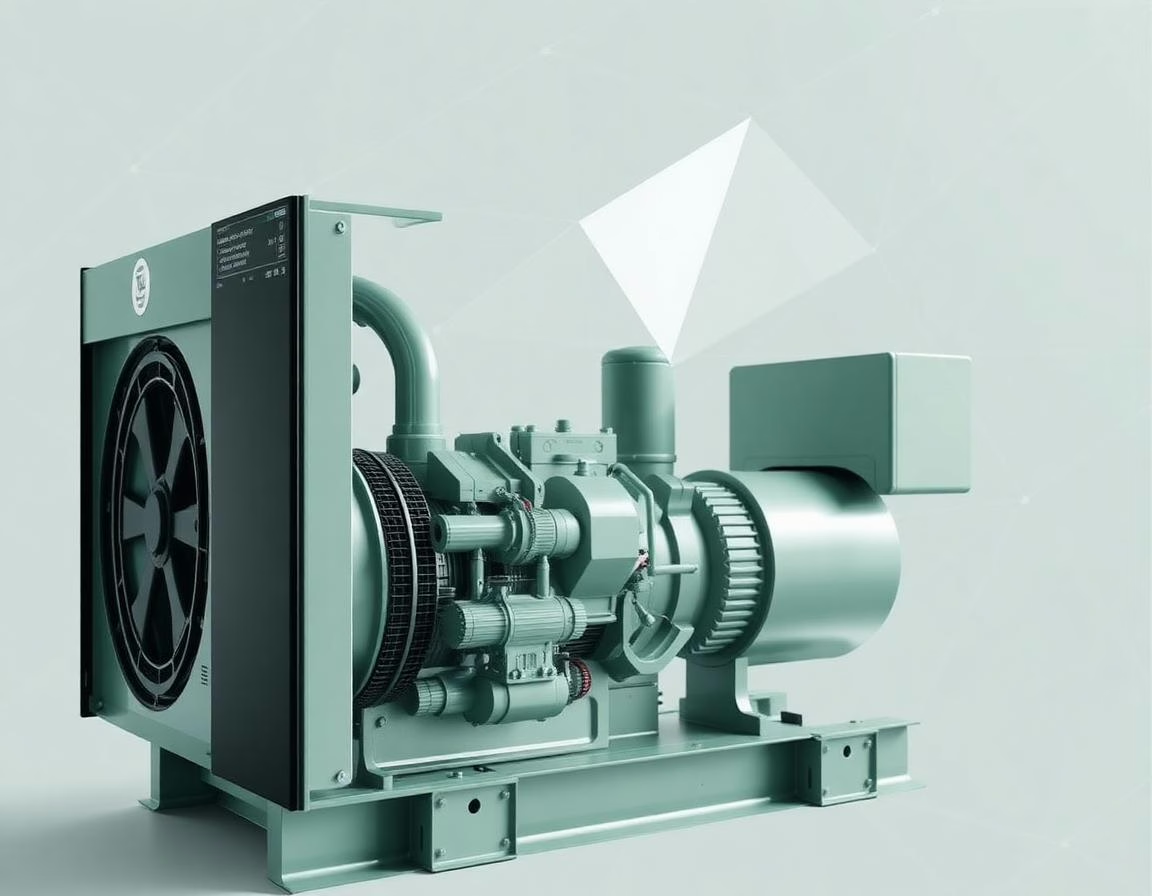
To address this issue, trucking companies employ specialized mobile generators, known as genset chassis. By integrating a generator directly onto the truck, these systems provide the necessary power for the reefer units, enabling standard semi-trucks to transport temperature-sensitive cargo across vast distances without the risk of spoilage.
Understanding Genset Functionality
A generator set, or genset, consists of an industrial engine paired with an alternator to generate electrical power. Typically fueled by diesel, these units are designed for long operational periods without the need for frequent intervention. It is crucial that the power output remains stable to protect the sensitive electronics of the refrigeration units.
Chassis Design Considerations
The chassis forms the structural backbone for both the heavy shipping container and the generator unit. It must be robust enough to endure the static weight of a fully loaded forty-foot reefer, as well as the dynamic forces experienced at highway speeds. Manufacturers often utilize high-tensile steel to ensure that the frame remains rigid under these stresses.
Fuel Supply and Power Connection
Sustaining generator operation over extended periods necessitates a dedicated fuel supply, separate from that of the truck’s engine. Most genset chassis integrate a custom aluminum or steel fuel tank into the frame, specifically designed to hold enough fuel to keep the cooling unit operational throughout long hauls.
The power connection between the generator and the reefer is established via a heavy-duty, weather-resistant power cable. This cable typically uses a standardized four-prong plug, minimizing the risk of accidental disconnection during transport. Built-in safety switches provide an added layer of protection, automatically shutting down power in case of a short circuit or ground fault.
Advantages of Genset Chassis
Utilizing a dedicated power-equipped chassis offers numerous operational benefits over traditional refrigerated trailers. Intermodal reefers can transition seamlessly from ships to trucks without needing to unload the cargo, significantly reducing the risk of temperature fluctuations.
Trucks equipped with these gensets can pause at rest areas or wait at border crossings without jeopardizing the integrity of the cargo. As long as the diesel engine in the genset remains operational, the internal temperature of the container is maintained, which is vital for transporting high-value items like pharmaceuticals or frozen seafood across long distances.
Flexibility in Operations
Logistics providers can leverage these specialized trailers to transport any standard container when the generator is not in use. This versatility eliminates the need for a separate fleet of dedicated refrigerated trailers, which may remain idle during off-peak seasons. The ability to swap out containers while keeping power on the trailer enhances the overall utility of the equipment.
Reliability and Maintenance
Reliability is paramount in cold chain transport, as mechanical failures can result in immediate financial losses. Fleet managers must adhere to stringent maintenance schedules for the diesel engines powering their generators. Regular oil changes, fuel filter replacements, and load testing of alternators are essential to ensure optimal performance.
The generator engine generates significant heat while running under heavy loads. To prevent overheating, radiators and cooling fans must remain unobstructed. Technicians routinely check coolant levels and belt tension before embarking on long-distance journeys to ensure uninterrupted operation.
Advanced Monitoring Systems
Modern gensets are often equipped with telematics systems that relay real-time data back to the dispatch office. These sensors monitor fuel levels, engine temperature, and the internal temperature of the container. In the event of a fault, the system sends automated alerts, allowing drivers to address issues before cargo is compromised.
Environmental Compliance
Diesel generators used in transportation must adhere to strict environmental regulations set by various authorities. Many newer models incorporate advanced exhaust after-treatment systems to reduce nitrogen oxide and particulate emissions, ensuring compliance when entering major urban areas or sensitive port zones.
The Future of Cold Chain Logistics
The collaboration between heavy-duty trailers and portable power units creates a mobile environment that mimics a stationary cold storage facility. This innovative technology facilitates the global trade of seasonal produce and temperature-sensitive chemicals that would otherwise be difficult to transport. Specialized equipment plays a crucial role in maintaining a resilient and secure food supply chain.
Investing in robust power solutions safeguards the integrity of products from production to consumer. As global demand for fresh produce continues to rise, the importance of specialized transport equipment becomes increasingly evident. Ensuring high standards for this technology is essential to maintaining an unbroken cold chain, regardless of the distance involved.
Key Takeaways
- Genset chassis integrate mobile generators with reefer units for uninterrupted cold chain transport.
- Robust chassis designs ensure structural integrity under heavy loads and highway conditions.
-
Advanced monitoring systems help maintain cargo integrity by providing real-time data.
-
Compliance with environmental regulations is essential for modern diesel generators.
-
Investing in specialized equipment enhances operational efficiency and protects valuable cargo.
In conclusion, the integration of genset chassis into cold chain logistics represents a significant advancement in the transportation of perishable goods. This technology not only improves reliability and efficiency but also helps sustain the global supply of fresh and temperature-sensitive products. As the industry evolves, the importance of maintaining an unbroken cold chain will only increase.
Read more → www.idsnews.com



