
The brain operates through a complex interplay of electrical impulses and chemical signals, shaping our emotional landscapes and social interactions. A recent study has illuminated the role of a key protein, SNAP-47, in the release of oxytocin—a hormone often dubbed the “social thermostat.” This discovery reveals how oxytocin’s nuanced release within the brain influences our capacity for social bonding, highlighting the importance of this neuropeptide in regulating social behavior.
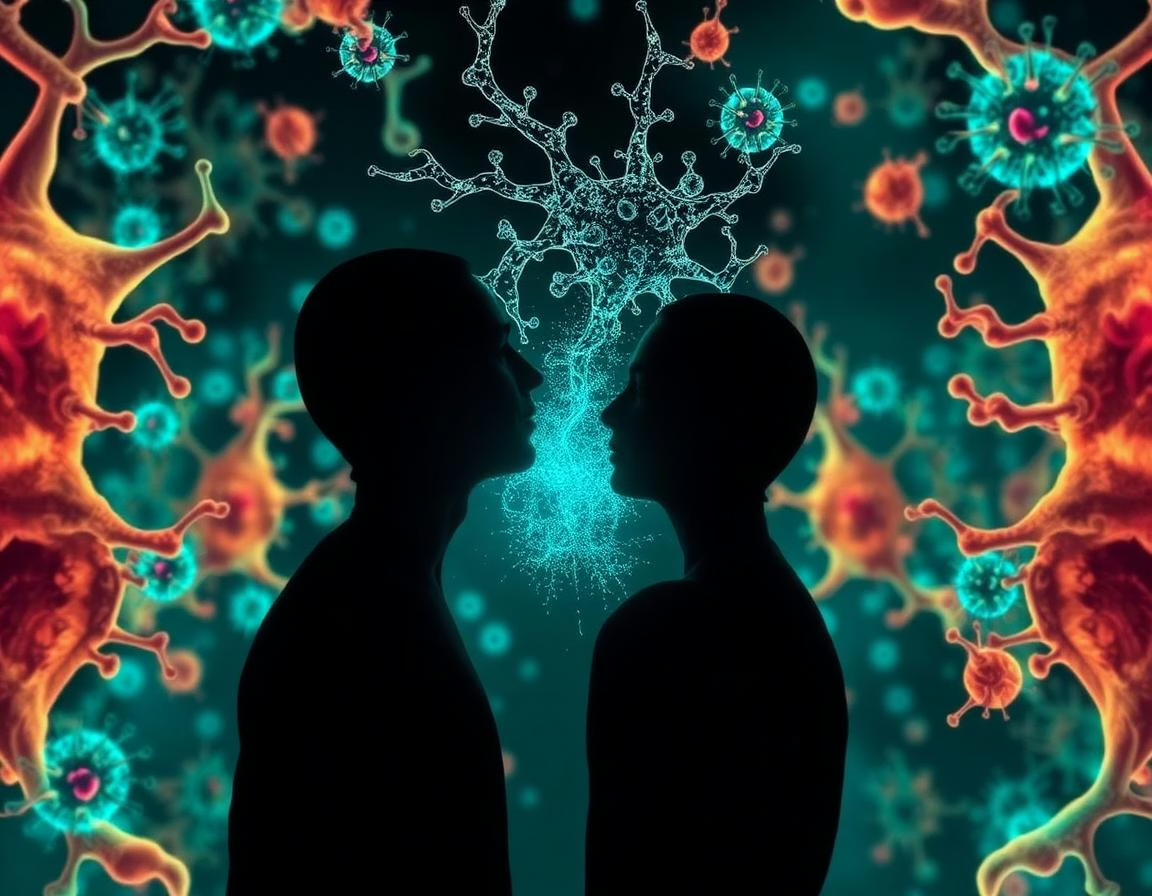
The Role of Oxytocin in Social Dynamics
Oxytocin has long been recognized for its pivotal role in emotional bonding and social behavior. Unlike traditional neurotransmitters that create rapid responses, oxytocin operates within a slower, more diffuse chemical environment. This study, led by the Institute for Neurosciences, has shed light on how oxytocin maintains a “social tone,” subtly influencing our readiness to engage with others.
This internal release of oxytocin differs significantly from its function in the bloodstream. In the brain, it is released from the soma and dendrites of neurons, setting the stage for how we respond to social stimuli. The findings suggest that even minor fluctuations in SNAP-47 can dictate whether we feel open to connection or overwhelmed by social anxiety.
SNAP-47: The Protein Behind the Curtain
The research team identified SNAP-47 as a crucial player in the slow release of oxytocin from hypothalamic neurons. This protein, part of the SNARE family, is integral to the fusion and release of vesicles containing oxytocin. Unlike its faster counterparts, SNAP-47 operates at a deliberate pace, aligning with the sustained release pattern of oxytocin observed in the brain.
Understanding this slower mechanism is vital, as it differentiates oxytocin’s role in social contexts from other immediate neurotransmitter actions. The ability of SNAP-47 to regulate this nuanced release is key to maintaining our social equilibrium.
Experimental Insights: Cell Cultures and Animal Models
To explore the mechanisms governing oxytocin release, the researchers conducted experiments in neuronal cultures alongside studies in mice. They manipulated SNAP-47 levels to observe its impact on vesicular trafficking and oxytocin dynamics. The results were telling: reducing SNAP-47 expression inhibited oxytocin’s release from the soma and dendrites without compromising the classical axonal release pathway.
This disruption led to observable changes in social behavior among the mice. While they retained sociability, their interactions became shorter and lacked the depth found in typical social exchanges. This suggests that SNAP-47 not only facilitates oxytocin release but also fine-tunes the quality of social interactions.
The Baseline Social Tone
The research posits that SNAP-47 functions as a regulator of a baseline level of oxytocin, maintaining a steady flow that prepares the brain for social engagement. This nuanced release acts as a backdrop for social interactions, priming us to respond appropriately to various social stimuli.
In essence, SNAP-47 ensures that our social “signal” remains strong, even when we are not actively engaging with others. This background mechanism is crucial for navigating social landscapes, allowing for a readiness to connect while minimizing feelings of anxiety.
Implications for Neuropsychiatric Disorders
This groundbreaking study opens new avenues for understanding the molecular underpinnings of social behavior and potential neuropsychiatric disorders. The relationship between SNAP-47 and oxytocin dynamics could provide insights into conditions characterized by social deficits, such as autism spectrum disorders and social anxiety.
The next step for researchers is to delve deeper into the molecular machinery governing this release process. By uncovering additional components involved in oxytocin signaling, scientists aim to create a comprehensive understanding of how these mechanisms contribute to our social experiences.
Takeaways
- Oxytocin’s Role: Recognized as a key player in emotional bonding and social behavior, oxytocin operates through a slow-release mechanism within the brain, distinctly different from its rapid action in the bloodstream.
-
SNAP-47 Functionality: Identified as crucial for the release of oxytocin from hypothalamic neurons, SNAP-47’s slower operation may play a significant role in modulating social interactions.
-
Impact on Behavior: Altering SNAP-47 levels can affect the quality and depth of social interactions, revealing its importance in fine-tuning social responses.
-
Future Research: Understanding the mechanisms behind oxytocin release could lead to new insights into neuropsychiatric disorders characterized by social interaction challenges.
In conclusion, the revelation of SNAP-47 as a regulator of oxytocin dynamics deepens our understanding of the neurochemical foundations of social behavior. As research continues, the implications of these findings may pave the way for innovative approaches to enhancing social connectivity and addressing related disorders.
Read more → neurosciencenews.com



