
In the realm of weight management and blood sugar control, high-protein, low-carbohydrate foods are gaining traction. Such dietary patterns not only support weight loss but also promote overall health. A diverse array of options, ranging from animal proteins to plant-based sources, fulfills the needs of those seeking to reduce carbohydrate intake while boosting protein consumption.
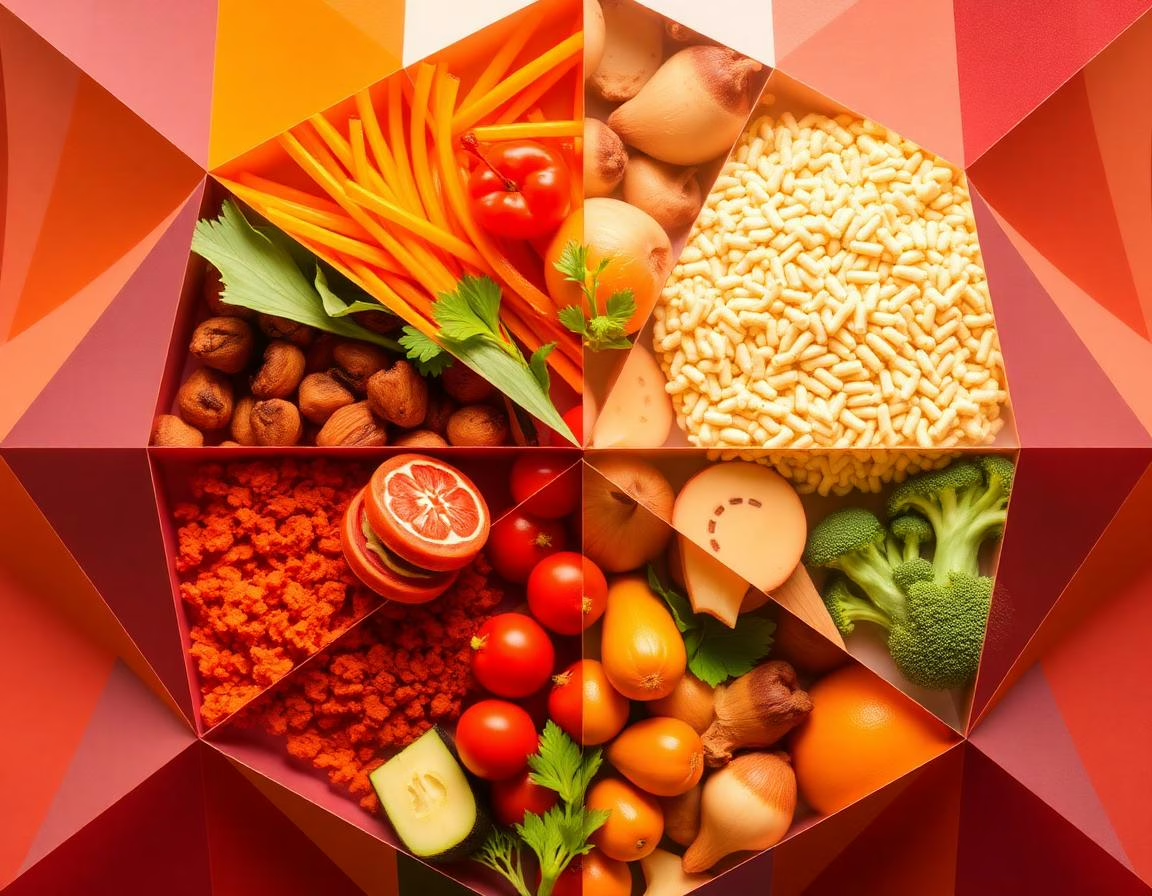
Tempeh: A Plant-Based Powerhouse
Tempeh is an excellent choice for those looking to incorporate plant-based proteins into their diet. This fermented soybean product boasts a firm texture and a nutty flavor, making it a versatile ingredient. It can easily replace meat in dishes like burgers, stir-fries, and tacos, providing a substantial protein boost with minimal carbs.
Fish: Lean and Nutritious
Halibut stands out among lean white fish for its mild flavor and rich omega-3 fatty acids. These healthy fats contribute to heart health and cognitive function, making halibut an excellent choice for a balanced diet. It can be prepared through various cooking methods, including baking, grilling, or pan-searing.
Canned tuna is another convenient protein source packed with omega-3s. Its long shelf life and versatility allow it to be enjoyed in salads, sandwiches, or casseroles, making it an easy addition to any meal.
Poultry and Pork: Lean Meat Options
Chicken is a staple in many households due to its affordability and adaptability. It offers a lean source of protein that can be prepared in numerous ways, such as grilling, baking, or slow-cooking. This versatility allows it to fit seamlessly into various dishes, from soups to tacos.
Pork tenderloin serves as a flavorful, lean protein option. It can be seasoned with herbs or fruits and cooked in several ways, including roasting or grilling, providing a delicious alternative for meat enthusiasts.
Seafood: Shellfish Delights
Shrimp is a low-fat, high-protein option that is also low in carbohydrates. It is gluten-free and sugar-free, making it suitable for a variety of diets. However, those with shellfish allergies should exercise caution.
Lobster is another seafood choice that excels in protein content while being virtually carb-free. Whether enjoyed on its own or incorporated into salads and soups, lobster is a luxurious addition to any meal.
Scallops are nutrient-dense and packed with protein and vitamin B12. Their delicate flavor and quick cooking time make them a popular choice for those looking to elevate their dining experience.
Lean Cuts of Beef and Seeds
Certain cuts of beef, particularly those labeled as “round,” are leaner options that provide substantial amounts of protein. They can be prepared in various ways, be it as steaks or incorporated into hearty dishes like chili or stews.
Pumpkin seeds, known as pepitas, are an excellent snack that delivers healthy fats and protein. They can be enjoyed roasted, sprinkled on salads, or eaten on their own.
Dairy Delights: Cheese and Yogurt
Ricotta cheese offers a creamy texture and is often used in Italian dishes. It pairs well with fruits, nuts, and seeds, making it a versatile ingredient for both savory and sweet preparations.
Greek yogurt is rich in protein and probiotics, setting it apart from traditional yogurt. It can be enjoyed plain or topped with a variety of ingredients, providing a nutritious snack or breakfast option.
Plant-Based Proteins: Tofu and Nut Butters
Tofu, derived from soybeans, is a versatile plant-based protein that comes in various textures. From smoothies to stir-fries, tofu can be adapted to fit different culinary styles, making it a great option for those on a plant-based diet.
Peanut butter and almond butter are popular spreads that provide a good source of protein and healthy fats. They can be used in smoothies, atop fruits, or simply enjoyed on bread. However, it is important to choose varieties low in added sugars and sodium.
Flaxseeds: Tiny Nutritional Powerhouses
Flaxseeds are small yet mighty, rich in omega-3 fatty acids and fiber. These seeds can be added to salads, yogurt, or baked goods, enhancing both nutritional content and flavor.
Benefits of a High-Protein, Low-Carb Diet
Adopting a high-protein, low-carb diet may yield various advantages, including better weight management and improved blood sugar levels. By focusing on nutrient-dense foods, individuals can support their health while enjoying a satisfying array of flavors and textures.
Incorporating these high-protein, low-carb foods into your diet can lead to lasting benefits. With a wealth of options available, finding suitable and enjoyable choices becomes an easy part of a healthier lifestyle.
Key Takeaways
- High-protein, low-carb foods can aid in weight management and blood sugar control.
- Diverse options, including fish, poultry, and plant-based proteins, enhance dietary flexibility.
- Incorporating nutrient-dense foods can lead to better overall health and well-being.
In conclusion, a diet rich in high-protein, low-carb foods offers numerous benefits, promoting not only weight loss but also improved health markers. Embracing this approach can foster a more nutritious and satisfying eating experience.
Read more → www.verywellhealth.com