
Yoghurt, a staple in many diets, has a rich history and a unique production process that involves intriguing microbial interactions. One of the most unconventional methods for making traditional Bulgarian yoghurt includes the addition of ants. This ancient practice, while peculiar, has significant scientific underpinnings that highlight the complexity of fermentation.
The Legacy of Yoghurt
Yoghurt is essentially fermented milk, celebrated for its tangy flavor and nutritional benefits. Its origins trace back over 9,000 years, with the earliest evidence found in Anatolia, present-day Turkey. Ancient civilizations quickly recognized that fermentation not only preserved milk but also transformed it into a nourishing food source. This discovery led to the integration of fermented dairy into various regional cuisines, establishing yoghurt as an essential dietary component.
The Science of Fermentation
To produce yoghurt, milk requires the introduction of specific microbes that catalyze the fermentation process. These microorganisms, typically referred to as a starter culture, contain enzymes that lower the pH, resulting in the characteristic acidity of yoghurt. While modern fermentation practices rely on a few well-defined bacterial strains, our ancestors harnessed a broader range of microorganisms found in their environment.
The Turkish term for a fermentation starter, “maya,” reflects this long-standing tradition of using diverse microbial sources, including those from the environment, the milk source, and even the air.
The Role of Microbial Diversity
Traditional yoghurt-making practices utilize a myriad of microbial sources, which significantly enrich the fermentation process. These include bacteria from the dairy animal, the human making the yoghurt, and various environmental elements. Some communities even introduce unique ingredients such as pinecones, chamomile flowers, or nettle roots to enhance the microbial diversity. However, the most surprising addition is that of ants.
Ants as Fermentation Agents
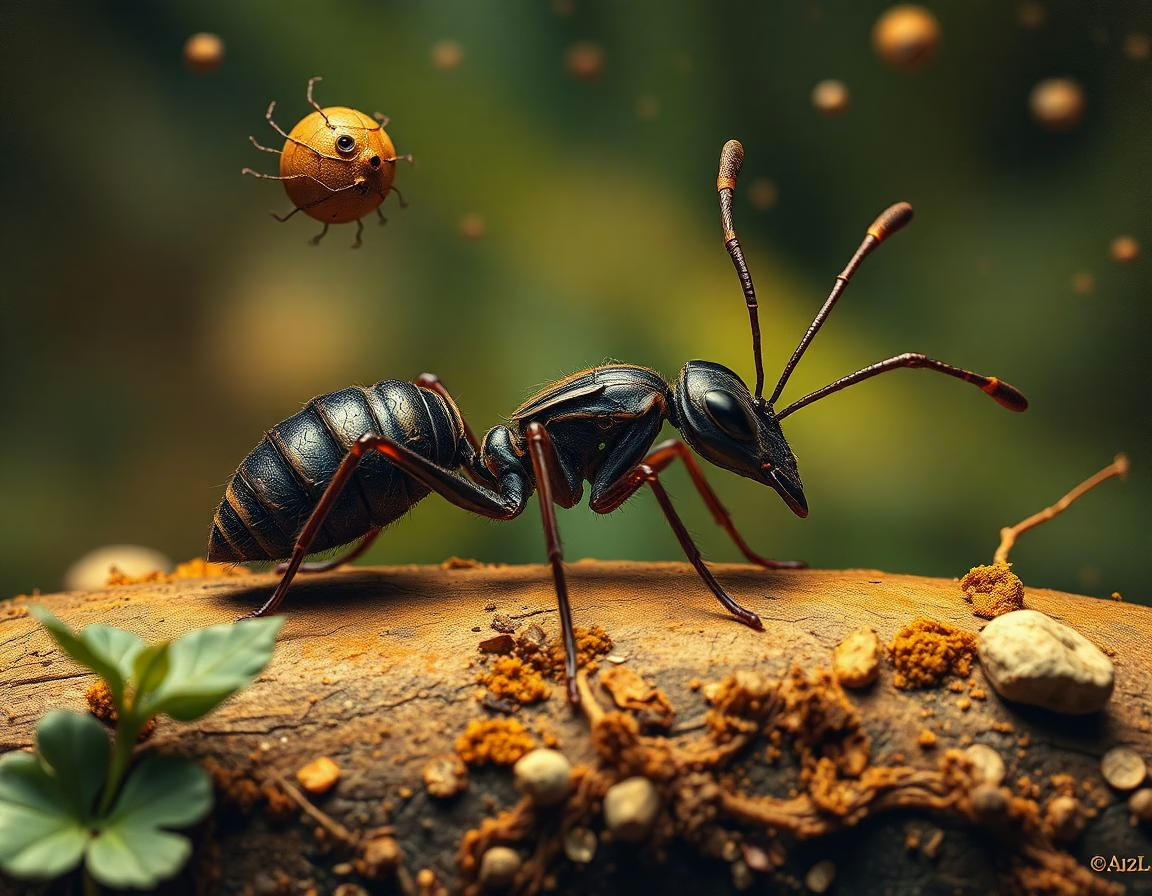
The use of ants, particularly red wood ants (Formica rufa), has been documented in various cultures across the Balkans and Turkey. These ants can be added directly to the milk, where they contribute microorganisms that aid in fermentation. Researchers have posited that the ant holobiont—comprising the ant itself and the microorganisms residing on and within it—plays a pivotal role in initiating the yoghurt-making process.
A Study in Ant-Driven Fermentation
In a recent study, scientists explored this unique fermentation method by utilizing a colony of red wood ants. They added live ants to warmed raw milk and placed the mixture underground, where the temperature was optimal for fermentation. The result was a successful transformation of the milk into yoghurt, characterized by a pH of 5 and a pleasant tangy flavor.
Microbial Contributions from Ants
The study revealed that the red wood ants host a variety of beneficial microorganisms, including lactic acid bacteria and acetic acid bacteria. These microbes contribute to the yoghurt-making process by producing acids that enhance the fermentation. Additionally, the formic acid secreted by the ants plays a crucial role in initially acidifying the milk, while the bacteria further break down sugars, generating additional acids. This synergistic relationship among the ant’s components optimizes the fermentation process, resulting in a rich and flavorful yoghurt.
Cautions Against DIY Fermentation
While the idea of making yoghurt with ants may be fascinating, it is essential to approach this practice with caution. Ant populations, particularly red wood ants, are facing declines in certain areas. Harvesting them for yoghurt production could exacerbate these issues.
Moreover, there are significant food safety considerations. Ants can carry parasites and pathogens that pose health risks to humans. Therefore, this unconventional method should be left to those with specialized knowledge and experience in fermentation.
The Future of Traditional Practices
The study of ant-assisted yoghurt fermentation not only sheds light on a unique culinary tradition but also emphasizes the importance of microbial diversity in food production. As we explore ancient practices through modern scientific lenses, we uncover the intricate relationships between organisms that contribute to our food systems.
Key Takeaways
- Traditional Bulgarian yoghurt can be made using red wood ants, which introduce beneficial microorganisms.
-
The fermentation process relies on the synergistic contributions of the ant holobiont, enhancing the final product’s flavor and texture.
-
Caution is advised when attempting to replicate this method due to potential ecological and health risks.
In conclusion, the use of ants in traditional yoghurt production illustrates the remarkable interplay between nature and cuisine. This ancient practice not only highlights the ingenuity of our ancestors but also serves as a reminder of the intricate ecosystems that support our food systems. As we continue to innovate in food science, we should also cherish and respect these time-honored traditions.
Read more → www.aol.com



