
Small cell lung cancer (SCLC) represents a formidable challenge in oncology due to its aggressive nature and rapid progression. Understanding its stages, treatment modalities, and potential side effects is crucial for patients and their families. This article provides a comprehensive overview of SCLC, allowing for informed decision-making during the treatment journey.
Characteristics of Small Cell Lung Cancer
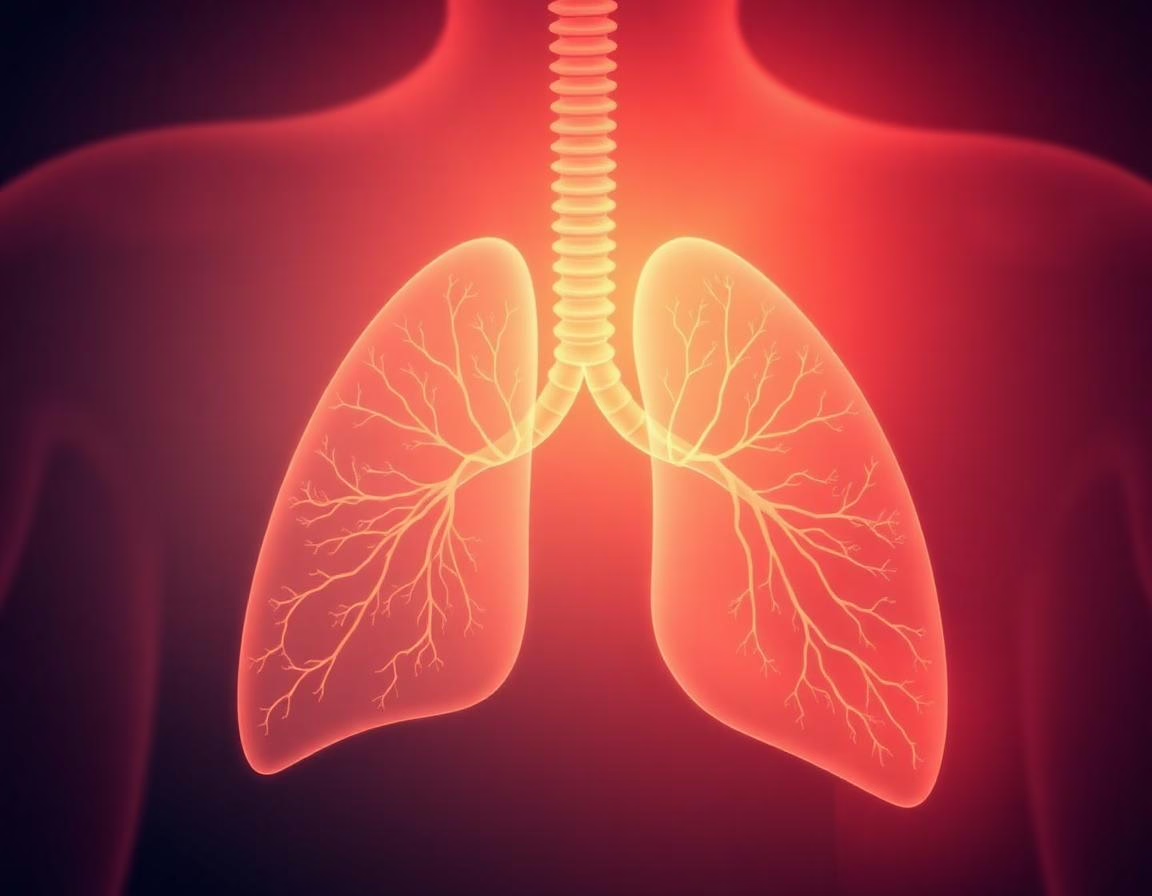
SCLC typically originates in the central airways of the lungs and is known for its swift growth and tendency to metastasize. Its classification by stage is essential for determining the appropriate treatment plan. Staging reflects not only the tumor size but also its spread to nearby lymph nodes and other organs. Engaging in early discussions with healthcare professionals about treatment options and potential side effects can empower patients to navigate their care effectively.
Diagnosis of SCLC
The diagnosis of small cell lung cancer involves a multifaceted approach. Oncologists utilize imaging techniques such as chest CT scans, PET scans, and MRIs to visualize the tumor and assess its extent. A definitive diagnosis is established through tissue biopsies, which also offer insights into the tumor’s biological behavior and potential response to therapies. Additionally, oncologists may recommend tests to evaluate the patient’s overall health and lung function, which are critical for formulating a personalized treatment strategy.
Treatment Options for Stage 1 SCLC
In stage 1, SCLC is localized, presenting an opportunity for potentially curative interventions. The primary treatment modalities include surgical resection, which aims to remove the tumor completely, often supplemented with chemotherapy to eliminate any residual cancer cells. This stage offers a broader array of treatment options, emphasizing the importance of timely and strategic intervention.
Approaches for Stage 2 SCLC
As the disease progresses to stage 2, the tumor may increase in size or spread to adjacent lymph nodes while remaining confined to the chest. Treatment typically entails a combination of chemotherapy and radiation therapy, designed to target both the primary tumor and any regional spread. This multimodal approach seeks to maximize therapeutic efficacy while minimizing the risk of recurrence.
Advancements in Treatment for Stage 3 SCLC
Stage 3 SCLC is characterized by more extensive spread within the chest, often involving multiple lymph nodes or nearby structures. Treatment strategies become more aggressive at this stage, with a focus on combined modalities such as chemotherapy, radiation, and in some cases, immunotherapy. Recent advancements, including the use of immunotherapies and T cell engagers, have shown promise in improving patient outcomes. Experts like Dr. Charles M. Rudin emphasize that integrating immunotherapy into the treatment regimen has revolutionized care, offering significant benefits for patients.
Managing Metastatic SCLC
When SCLC reaches the metastatic stage, it has spread to distant sites such as the liver, brain, or bones. Treatment in this scenario concentrates on controlling disease progression, alleviating symptoms, and enhancing the patient’s quality of life. Options may include palliative care, systemic therapies, and clinical trials exploring novel agents.
Common Side Effects of Treatment
Patients undergoing treatment for SCLC may experience a range of side effects, which vary depending on the specific therapies utilized. Common chemotherapy-related side effects include fatigue, nausea, hair loss, and lowered blood counts, increasing the risk of infection. Radiation therapy may lead to skin irritation and respiratory issues, while immunotherapy can provoke immune-related side effects such as skin rashes or gastrointestinal symptoms. A dedicated care team will closely monitor these effects, providing strategies to manage discomfort and maintain the patient’s well-being.
Support and Resources for Patients
Navigating a diagnosis of small cell lung cancer can be overwhelming, but understanding the disease and treatment options is essential. Continuous dialogue with oncologists and healthcare providers can help patients make informed choices regarding their care. Furthermore, support from nurses, social workers, and patient advocacy resources can significantly enhance the quality of life during treatment.
Key Takeaways
- Small cell lung cancer is an aggressive form of lung cancer that requires prompt diagnosis and treatment.
- Staging determines the treatment approach, with stage 1 being potentially curable through surgery, while later stages may require more aggressive therapy.
-
Recent advancements in immunotherapy and T cell engagers offer new hope for improving outcomes in SCLC patients.
-
Common side effects of treatment can vary and require proactive management strategies.
-
Open communication with healthcare professionals and access to support resources is vital for maintaining quality of life during treatment.
In conclusion, understanding small cell lung cancer—from its diagnosis and staging to treatment options and side effects—is essential for patients and their families. Awareness fosters empowerment, enabling individuals to navigate their cancer journey with greater confidence and clarity. As research continues to evolve, new therapies hold promise for enhancing patient outcomes and quality of life.
Read more → www.curetoday.com



