
Greetings fellow biotech enthusiasts! Today, we delve into the fascinating realm of biotech manufacturing operations, specifically focusing on the optimization of secondary metabolite production in Streptomyces by manipulating pathway regulation. This intricate process plays a pivotal role in the pharmaceutical and biotech industries, where the production of secondary metabolites in Streptomyces serves as a cornerstone for the development of life-saving drugs and innovative biotechnological solutions.
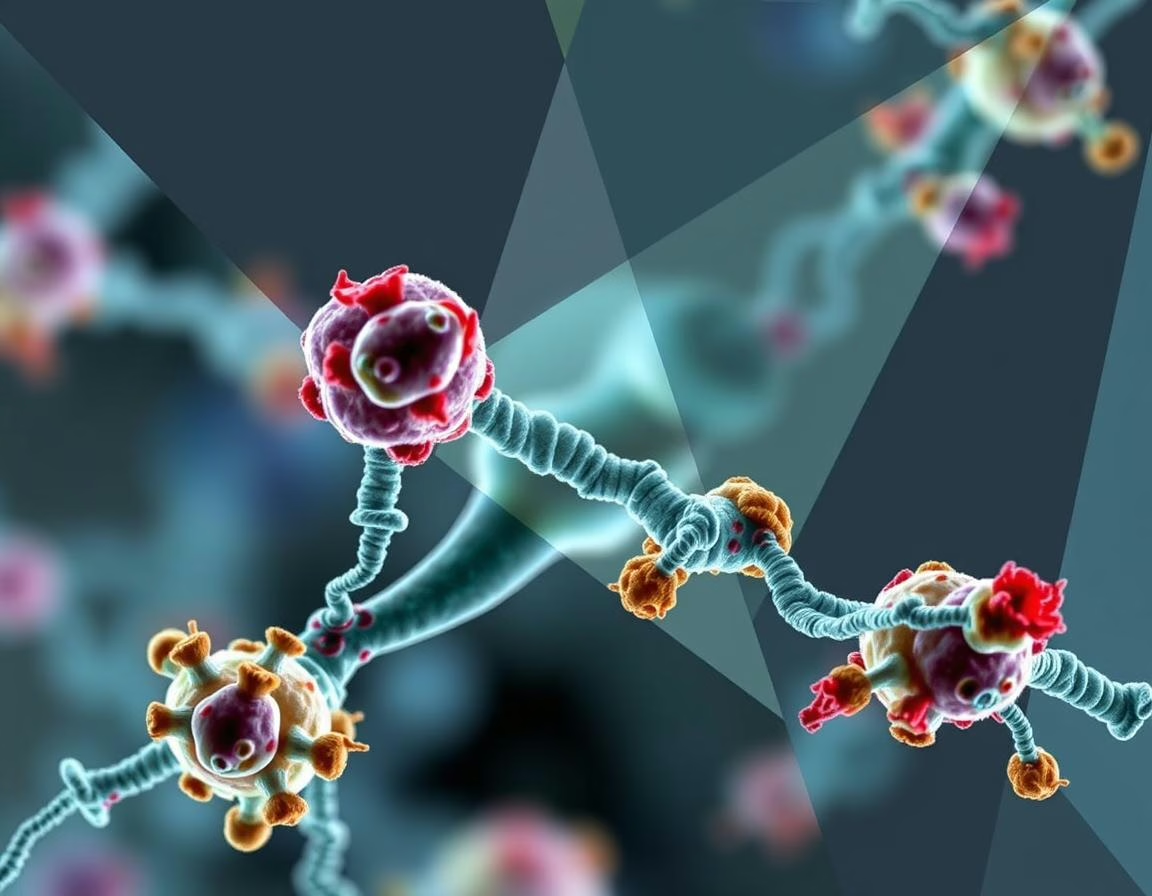
In the realm of biotech manufacturing operations, maximizing plant capacity is a perpetual challenge that requires strategic planning and meticulous execution. The article underlines the significance of enhancing secondary metabolite production in Streptomyces through the manipulation of pathway regulation, offering a glimpse into the promising potential of this approach. By delving into the intricacies of pathway regulation, biotech companies can unlock new opportunities to optimize plant capacity and streamline production processes.
One of the key factors highlighted in the article is the impact of batch failures on plant capacity and overall production efficiency. Batch failures can significantly disrupt manufacturing operations, leading to delays, increased costs, and potential supply chain issues. By implementing robust quality control measures and leveraging innovative technologies, biotech companies can mitigate the risks associated with batch failures and enhance overall plant capacity.
Mitigating Risks: The Role of Quality Control
Quality control emerges as a critical component in mitigating risks associated with batch failures and ensuring consistent secondary metabolite production in Streptomyces. By implementing stringent quality control protocols and leveraging advanced analytical tools, biotech companies can proactively identify and address potential issues, thereby minimizing the impact of batch failures on plant capacity and production efficiency.
Optimizing Supply Chain Dynamics
The seamless integration of supply chain dynamics is essential for maximizing plant capacity and ensuring a steady flow of raw materials and resources. By establishing robust partnerships with suppliers, optimizing inventory management practices, and leveraging data-driven insights, biotech companies can enhance the resilience and efficiency of their supply chains, thereby reducing bottlenecks and streamlining production processes.
Harnessing Advanced Technologies for Scale-Up
In the quest for enhancing secondary metabolite production in Streptomyces, the adoption of advanced technologies plays a pivotal role in driving innovation and scale-up efforts. From automated bioreactors to artificial intelligence-driven optimization tools, biotech companies can leverage cutting-edge technologies to enhance plant capacity, improve production efficiency, and accelerate the development of novel biotechnological solutions.
Strategic Partnerships and Collaborations
Collaborations with academic institutions, research organizations, and industry partners can provide biotech companies with access to specialized expertise, novel technologies, and innovative research insights. By fostering strategic partnerships and collaborations, biotech companies can tap into a diverse range of resources and capabilities, thereby enhancing their capacity for innovation, optimizing production processes, and driving sustainable growth.
In conclusion, the optimization of secondary metabolite production in Streptomyces through pathway regulation represents a promising avenue for biotech companies to enhance plant capacity, streamline production processes, and drive innovation in the pharmaceutical and biotech industries. By mitigating risks associated with batch failures, optimizing supply chain dynamics, harnessing advanced technologies for scale-up, and fostering strategic partnerships and collaborations, biotech companies can unlock new opportunities for growth, sustainability, and success in the ever-evolving landscape of biotech manufacturing operations.
Key Takeaways:
- Quality control is essential for mitigating risks associated with batch failures and ensuring consistent secondary metabolite production.
- Optimizing supply chain dynamics is crucial for maximizing plant capacity and streamlining production processes.
- Harnessing advanced technologies, such as automated bioreactors and AI-driven optimization tools, can drive innovation and scale-up efforts in biotech manufacturing operations.
- Strategic partnerships and collaborations with academic institutions and industry partners can enhance innovation, production efficiency, and sustainable growth in the biotech industry.