
Lymph nodes, often overlooked in the grand scheme of cancer treatment, have been revealed to be pivotal command centers orchestrating immune attacks. Recent research has unveiled that surgically excising these nodes alongside tumors could inadvertently diminish treatment efficacy, while preserving them has the potential to amplify therapeutic outcomes significantly.
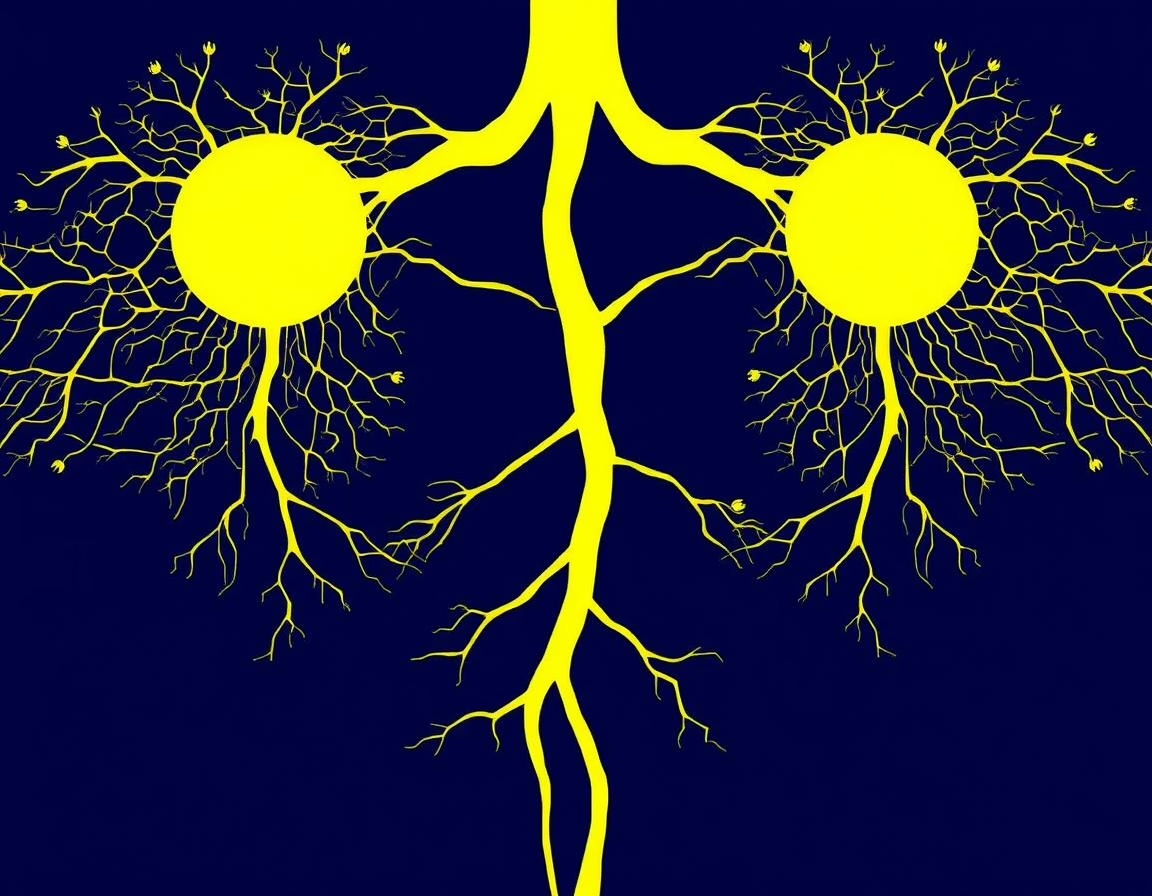
For nearly a century, the standard protocol in cancer treatment has involved the surgical removal of lymph nodes, such as those in the armpit closest to breast cancer tumors, as a preventive measure against cancer spread. However, groundbreaking studies conducted by researchers at The Peter Doherty Institute for Infection and Immunity have shed light on the transformative impact of conserving lymph nodes, offering promise for enhanced patient recovery and heightened effectiveness of immunotherapies.
Lymph nodes, the unsung heroes of our immune system, serve as vital filtration centers dispersed throughout the body. These bean-shaped organs play a crucial role in sieving lymph fluid from tissues, capturing and eliminating pathogens, cancer cells, and other harmful entities. Teeming with immune cells like T cells, B cells, and dendritic cells, lymph nodes serve as bustling training grounds where immune responses are honed and fortified against impending threats.
In a fascinating revelation, recent studies have elucidated the intricate dance of CD8+ T cells, the potent cancer-killing immune warriors, within the complex terrain of lymph nodes and tumors. These specialized T cells, residing in draining lymph nodes proximal to tumor sites, act as a dynamic reservoir, dispatching fresh cohorts of cytotoxic T cells to combat cancer effectively. Conversely, T cells within tumors tend to exhaust and transform into sedentary tissue-bound cells, hampering their combat readiness against cancerous invasions.
By delving into the behavior of T cells amidst chronic infections and checkpoint blockade therapy, researchers have unearthed the pivotal role of lymph nodes in nurturing and maturing stem-like T cells into formidable cancer-fighting soldiers. This evolutionary process hinges on a gene regulator called KLF2, bolstered by migratory dendritic cells in lymph nodes that continuously present antigens crucial for T cell activation. Devoid of lymph nodes, this intricate production line of sculpting stem-like T cells into potent cancer warriors falters, underscoring the indispensable role of lymph nodes in orchestrating a robust immune response.
The findings from these groundbreaking studies underscore a paradigm shift in cancer treatment strategies, emphasizing the significance of preserving and enhancing lymph node functionality. Rather than fixating solely on eradicating tumors, therapeutic interventions should also prioritize fortifying lymph node operations to augment the body’s intrinsic ability to combat cancer effectively, potentiate existing immunotherapies, and enhance treatment responsiveness among patients.
These illuminating studies, published in the esteemed journal Nature Immunology, mark a pivotal milestone in unraveling the enigmatic role of lymph nodes in modulating immune responses. As these discoveries pave the way for future treatment modalities, a brighter horizon emerges for advancing patient outcomes and revolutionizing cancer therapeutics.
- Preserving lymph nodes during cancer surgery can bolster immune responses and enhance the efficacy of immunotherapies.
- Lymph nodes play a crucial role in nurturing stem-like T cells and transforming them into potent cancer-fighting soldiers.
- Targeting lymph nodes as critical immune hubs can amplify the body’s natural ability to combat cancer and improve treatment outcomes.
- Future treatment strategies should focus on preserving and enhancing lymph node function to optimize therapeutic efficacy and patient recovery.
Tags: cell therapies, immunotherapy
Read more on newatlas.com



