
Global Voices is on the brink of a pivotal moment. Without the backing of readers like you, our enduring 20-year tradition of ad-free multilingual journalism may falter. Discover why the Lingua project at Global Voices is dismantling language barriers through translation magic.
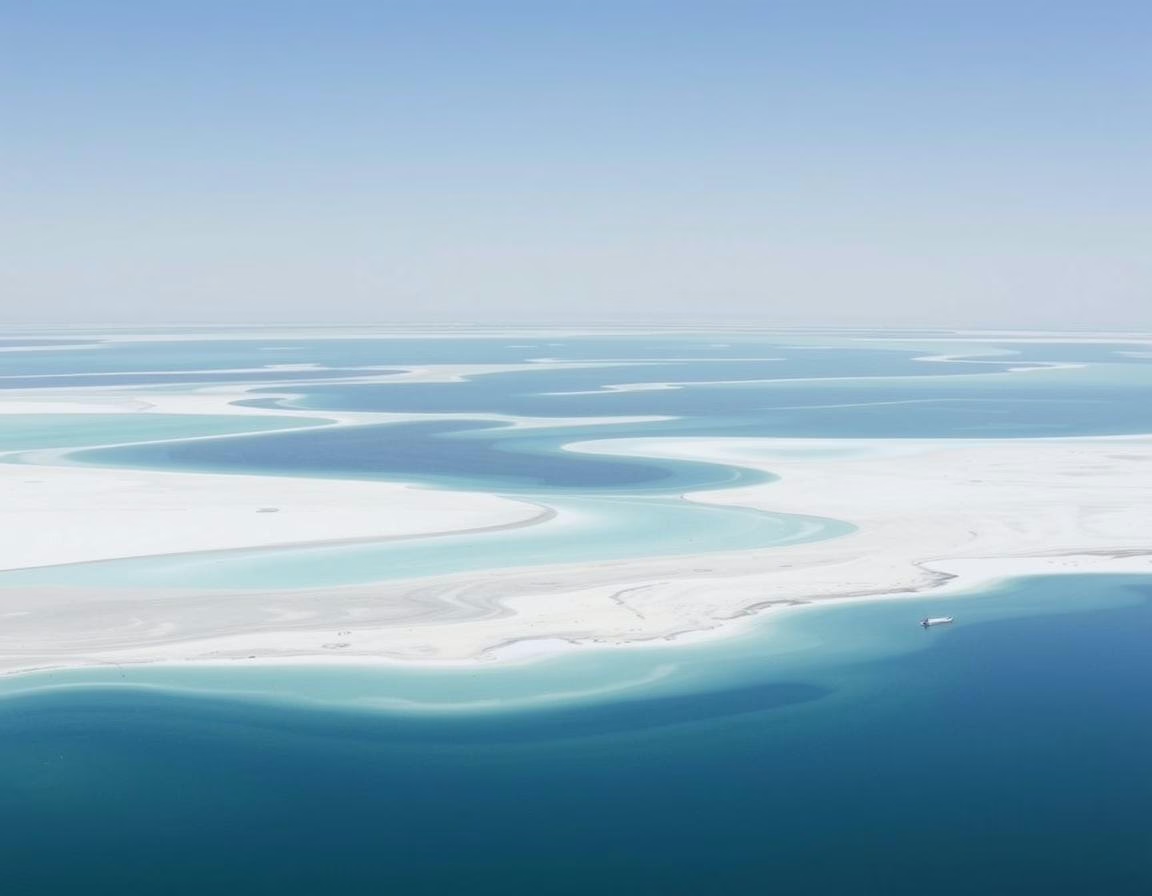
China’s Lifesaving Mission: The Aral Sea Revival
The Aral Sea, once a vast expanse of water straddling Kazakhstan and Uzbekistan, now lies desolate, leaving boats stranded and the region barren. This piece is part of the Global Voices Climate Justice fellowship, uniting journalists from Sinophone and Global Majority nations to probe the impacts of Chinese development endeavors across borders.
From Glorious Lake to Vast Desert
Once ranking as the world’s fourth-largest lake, the Aral Sea has dwindled to a desert wasteland, shedding over 90% of its surface area since the 1960s. The remaining water has turned saline and polluted, triggering ecological havoc. Witnessing the desolation from above, UN Secretary-General Ban Ki-Moon expressed profound sorrow at the vanishing expanse of the once-majestic sea.
- The Aral Sea’s surface area has shrunk by over 90%.
- Devastating effects emerged from redirecting water sources in the 1960s.
A Struggle for Restoration
Despite decades of restoration attempts, Kazakhstan’s completion of the Dike Kokaral Dam in 2005 only partially revived the sea’s fishing industry. Uzbekistan, on the other hand, grapples with desertification, soil erosion, and sandstorms. The situation seemed bleak until Uzbekistan sought aid from China, a global leader in combating desertification and soil degradation.
- Kazakhstan’s Dike Kokaral Dam improved the sea’s northwestern fishing prospects.
- Uzbekistan faces challenges with desertification and ecological degradation.
China’s Innovations: Drip Irrigation to the Rescue
China, renowned for its expertise in battling desertification, brought hope to Uzbekistan with its drip irrigation technology. This method conserves water, boosts crop yields, and integrates water and fertilizers effectively. By implementing drip irrigation systems, Uzbekistan could potentially save billions of cubic meters of water annually, fostering industrial growth and aiding the Aral Sea’s ecological recovery.
Tackling Cotton Cultivation and Climate Crisis
The Aral Sea catastrophe stems from Uzbekistan’s extensive cotton cultivation, which transformed the nation into a cotton powerhouse within the Soviet Union. The environmental repercussions triggered extreme weather patterns, leading to a surge in health issues among the region’s population. Toxic sand and salt storms continue to plague the area, impacting lives with chronic ailments and diseases.
- Uzbekistan’s cotton production had a significant impact on the Aral Sea’s demise.
- Residents face health risks from toxic sand and salt storms.
Environmental Collaboration and Technological Advancements
As Uzbekistan and China deepen their ties, a wave of environmental collaboration emerges. Chinese scientists conducted a five-year study on the Aral Sea crisis, pinpointing climate change and the lack of water-saving technologies in Uzbekistan as core issues. Through initiatives like afforestation and solar-powered irrigation systems, China is spearheading efforts to rejuvenate the Aral Sea region and restore its biodiversity.
China’s Global Stance and Environmental Diplomacy
China’s involvement in reviving the Aral Sea not only showcases its technological prowess but also underscores its commitment to environmental stewardship on the global stage. By leveraging its expertise in combating desertification, China cements alliances with nations facing similar environmental challenges. This partnership not only uplifts Uzbekistan but also bolsters China’s image as a responsible superpower with a green agenda.
Conclusion: A Beacon of Hope for the Aral Sea
As Uzbekistan navigates the path to Aral Sea restoration, China’s support emerges as a beacon of hope. While progress may be gradual, this collaboration signifies a significant stride towards healing the Aral Sea’s scars. China’s role in this ecological revival not only shapes its international standing but also leaves an indelible mark on the landscape and lives of those affected by the Aral Sea crisis.
Key Takeaways:
- Drip irrigation technologies offer water-saving solutions for arid regions.
- Collaboration between China and Uzbekistan heralds a new era of environmental diplomacy.
- The Aral Sea crisis underscores the urgent need for sustainable agricultural practices.
- China’s environmental initiatives position it as a global leader in combating desertification.
Additional Thoughts:
“Like the mighty sea, let our actions ripple through time, restoring what was lost and nurturing a future brimming with hope and vitality.”
Read more on globalvoices.org